Facilities and Activities:
| Day-Use | Fishing | yes | | | Hunting | yes | | | Hiking Trail, miles | yes |
National Park Location Maps:
 (click here to zoom and navigate local map)
 (click here to zoom and navigate regional map)
View TOPO Maps!
Get directions to this park:
National Park Photo Gallery:
volunteer positions open
National Park Event Calendar:
volunteer positions open
Nearby Parks: Cibola National Wildlife Refuge Imperial National Wildlife Refuge Imperial National Wildlife Refuge
|
| National Park Overview: |
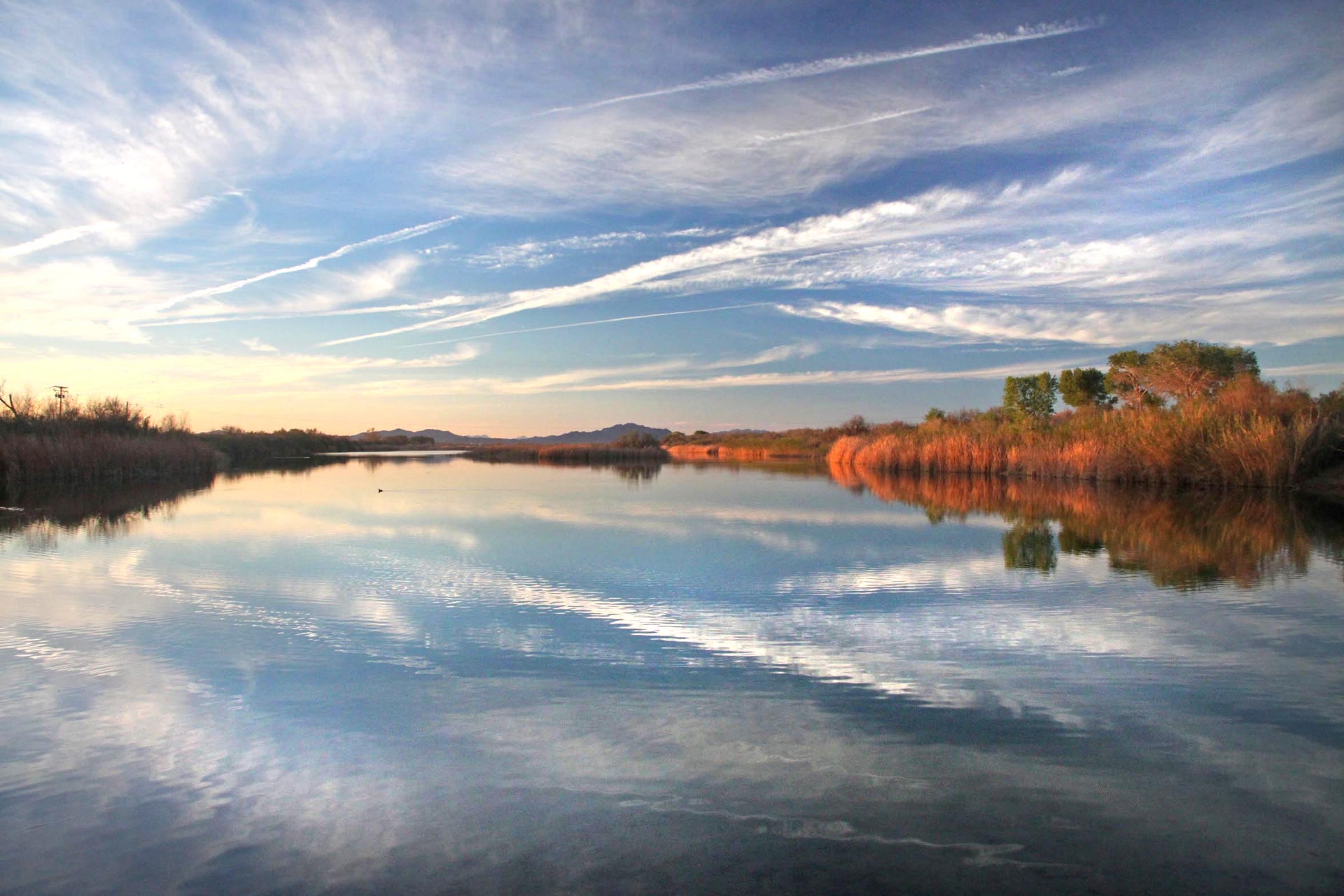
 | Cibola NWR is located in the floodplain of the lower Colorado River and surrounded by a fringe of desert ridges and washes. The refuge encompasses both the historic Colorado River channel as well as a channelized portion constructed in the late 1960's. Along with these main waterbodies, several important backwaters are home to many wildlife species that reside in this portion of the Sonoran Desert. Because of the river's life sustaining water, wildlife here survive in an environment that reaches 120 degrees in the summer and receives an average of only 2 inches of rain per year. We invite you to visit and enjoy the many wildlife-oriented activities the refuge has to offer and enjoy the scenic beauty of this oasis in the desert. |
| Nature of the Area: |
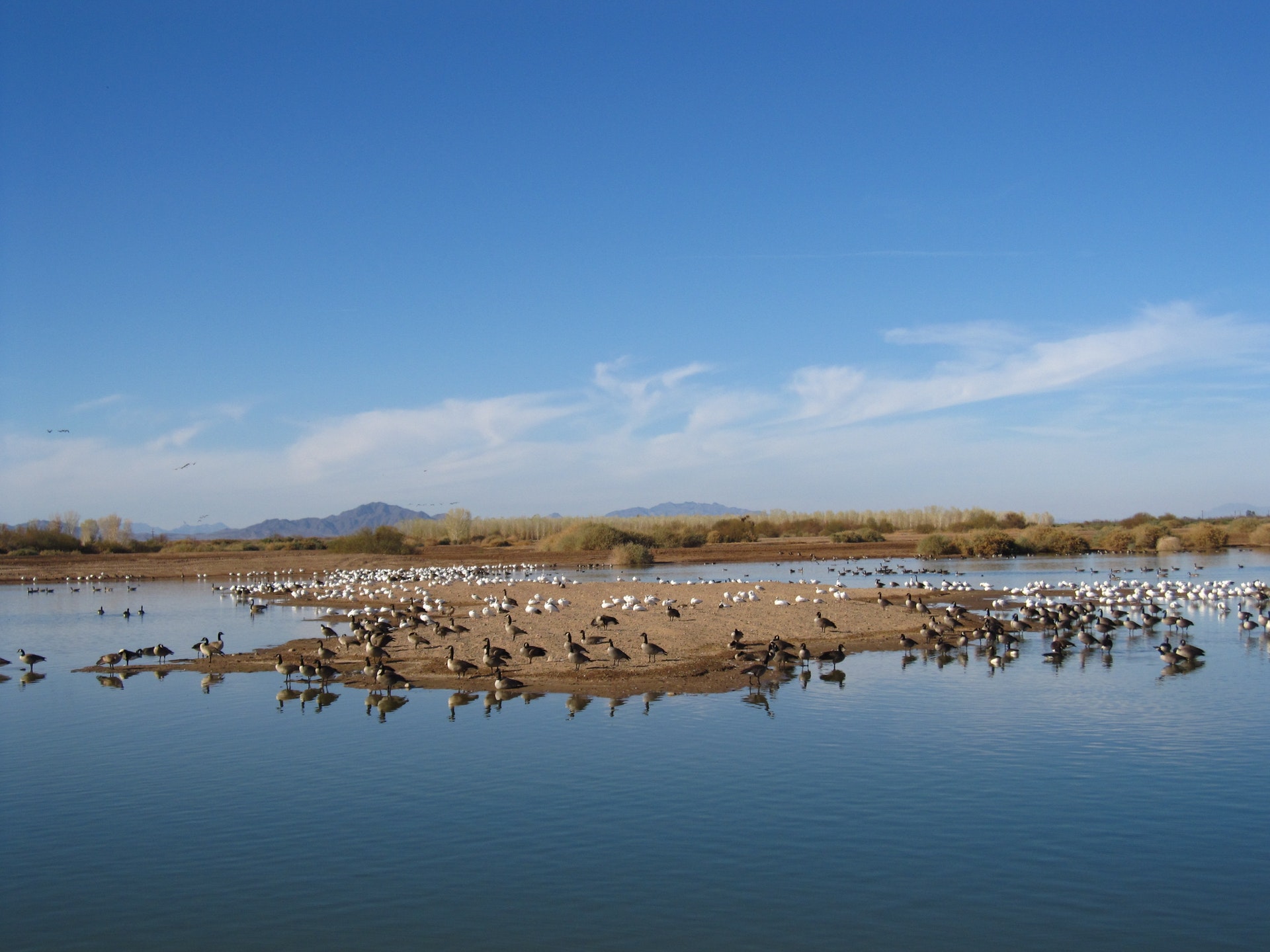
| Over 288 species of birds have been found on Cibola NWR, including many species of migratory songbirds, Gambel's quail, roadrunners, mourning and white-winged doves, phainopepla, greater sandhill cranes, Canada and snow geese, Vermillion flycatchers, grosbeaks and many more. The bald eagle, southwestern willow flycatcher and Yuma clapper rail are among the endangered birds that use Cibola NWR. Other listed species include the desert tortoise, razorback sucker, bonytail chub, and desert pupfish. t is not uncommon to see desert mule deer, bobcat, and coyotes on the refuge, particularly while driving the auto tour loop in the early morning or evening. About 85% of Arizona's wintering goose population resides on Cibola NWR.
A host of species reside on the refuge year-around. Many of the aquatic birds nest in the backwaters of the river. It is a common sight to see western and Clark's grebe young riding on their parents' back in Cibola Lake during the spring. Other common sights may include a heron and egret rookery, nesting mourning and white-winged doves, barn owls, burrowing owls, kestrels, white-faced ibis and more. |
| Reviews By Park Visitors: |
 | Be the 1st to Review Cibola National Wildlife Refuge. You can rate it, post a comment on it, or do both. |
 | |
| Fishing and Hunting: |
| Fishing:
Cibola NWR provides opportunities to fish for the following species: largemouth bass, smallmouth bass, striped bass, channel catfish, flathead catfish, crappie, sunfish, tilapia, and common carp. Possession of the Colorado River fishing stamp allows licensed anglers of either California or Arizona to fish any open area on the refuge.
Cibola Lake and adjoining lands are closed to all activities from Labor Day to March 15 in order to provide a safe and undisturbed area for the wintering waterfowl. Fishing, however, is permitted in a boat on the main channel of the Colorado River and all land and water to the west.
Hunting:
Public hunting on Cibola NWR is permitted in specified areas. Hunting opportunities are available for the following species: Canada geese, snow geese, ducks, coots, gallinules, Gambel's quail, mourning and white-winged doves, mule deer (bow, gun, muzzle loader), and cottontail rabbits. Hunting shall be conducted in accordance with all applicable state and Federal regulations along with the following special regulations. See the refuge Hunt Brochure for more information including areas open to hunting.All hunting on the refuge ends at 3:00 p.m. MST with the following exceptions: mule deer hunting Farm Unit 2. Goose hunting is permitted until sunset.
Hart Mine Marsh - entry is permitted from 10:00 a.m. to 3:00 p.m. MST during the Arizona waterfowl season.
Island Unit - the Island Unit opens at 4:30 a.m. MST.
Farm Unit 2 - a permit is required to goose hunt in Farm Unit 2. Farm Unit 2 is closed to all hunting except goose hunting during the Arizona waterfowl season. Consult Farm Unit 2 hunting brochure for details and requirements.
Pretty Water - During the Arizona/California waterfowl hunting season, no boats, decoys, blind materials or other floating devices may be on Pretty Water until one-half hour before sunrise and must be removed by 3:00 p.m. MST.
Areas closed to access may not be entered by hunters or dogs to retrieve downed game.
Weapons must be unloaded and encased or dismantled while being transported in a vehicle or boat.
Dogs used for waterfowl or upland game hunting are permitted.
All decoy and blind materials must be removed daily.
Please see refuge hunting brochure for complete information about hunting on the refuge. Farm Unit 2 offers controlled spaced-blind goose hunting opportunities. This hunt requires a permit and blinds are selected on a reservation system, however, a standby drawing will be held every hunt morning for any available blinds. Hunt days for the 2002-2003 goose hunting season will be Saturdays, Sunday, Tuesdays, and Wednesdays from November 9 through the end of the Arizona goose hunting season (date not yet determined). Farm Unit 2 hunt hours are from one-half hour before sunrise to sunset. A minimum of 12 goose decoys is required. Blind selections are made at the check station promptly at 4:30 a.m. MST on hunt days. Hunters must have their paperwork completed and turned in prior to 4:30 a.m. Hunters may print out the sign-in form (make this an active link) here or fill one out on the morning of the hunt. Please see the refuge Farm Unit 2 hunting brochure for complete information on hunting Farm Unit 2. |
| History of the Area: |
| For centuries, Cibola was part of the ancestral and traditional home of the Yuma Tribes of the Colorado River, principally the Mohave and Quechan. Archeologist refger to the prehistoric Yumans as the "Patayan". The peopel farmed the river floodplain, which flooded annually depositing rich soils for crops. Following each harvest, the people left the river to hunt and gather wild plants in the neighboring desert uplands, returning to the river once again to plant crops, after the spring floods had subsided. Because of the annual flooding, little physical evidence of their dispersed villages has survived.
In the 1800s, Colorado River steamers plied the river with staples of food and supplies to the small regional settlements of farmers, ranchers, and miners. The origin of the name Cibola is unknown, but is is probably derived from the steamboat landing and community of Cibola where the stamers unloaded freight and took on wood for their boilers. |
 | |
| |
|  | Advertise your park related business on stateparks.com
...vacation cabin, weekend getaway, log cabin rental, romantic cottage, vacation home, resort, hotel, motel, bed and breakfast, country inn, campground, RV park, horseback riding stable, canoe livery, river rafting, outfitting, sporting goods store, guide service, RV rental, etc read more.... |
|
| Related Links: |
 | Bird Checklists of the United States - Bird Checklists of the United States Cibola National Wildlife Refuge Cibola, Arizona The Cibola National Wildlife Refuge is located along the lower Colorado River 20 miles south of Blythe ... |  | Bird Checklists of the United States - ... Monument and Fort Bowie National Historic Site -- Willcox, AZ (Updated 1994) Cibola National Wildlife Refuge -- Cibola, AZ (Printed 8/95) Coronado National Memorial -- Hereford, AZ (Updated 2/98 ... |
| Directions: |
| From Blythe, CA: Drive approximately 3 miles west on I-10 to Neighbours Boulevard/78 exit. Travel south on Neighbours for 12 miles to the Cibola Bridge. After crossing the bridge, continue south for 3.5 miles to headquarters. |
 |
| |
| |
|