State Parks .com
USA Utah Zion National Park

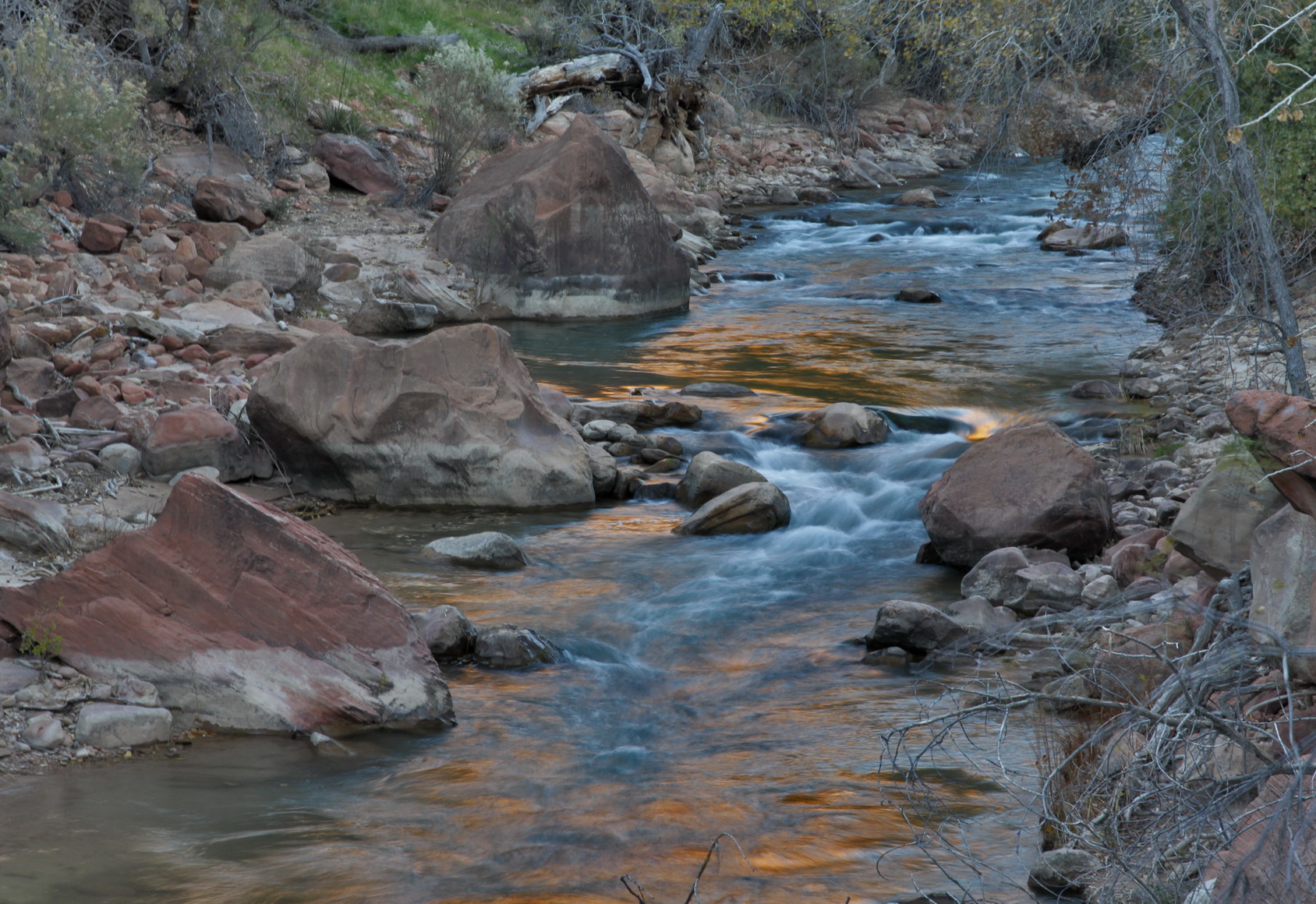
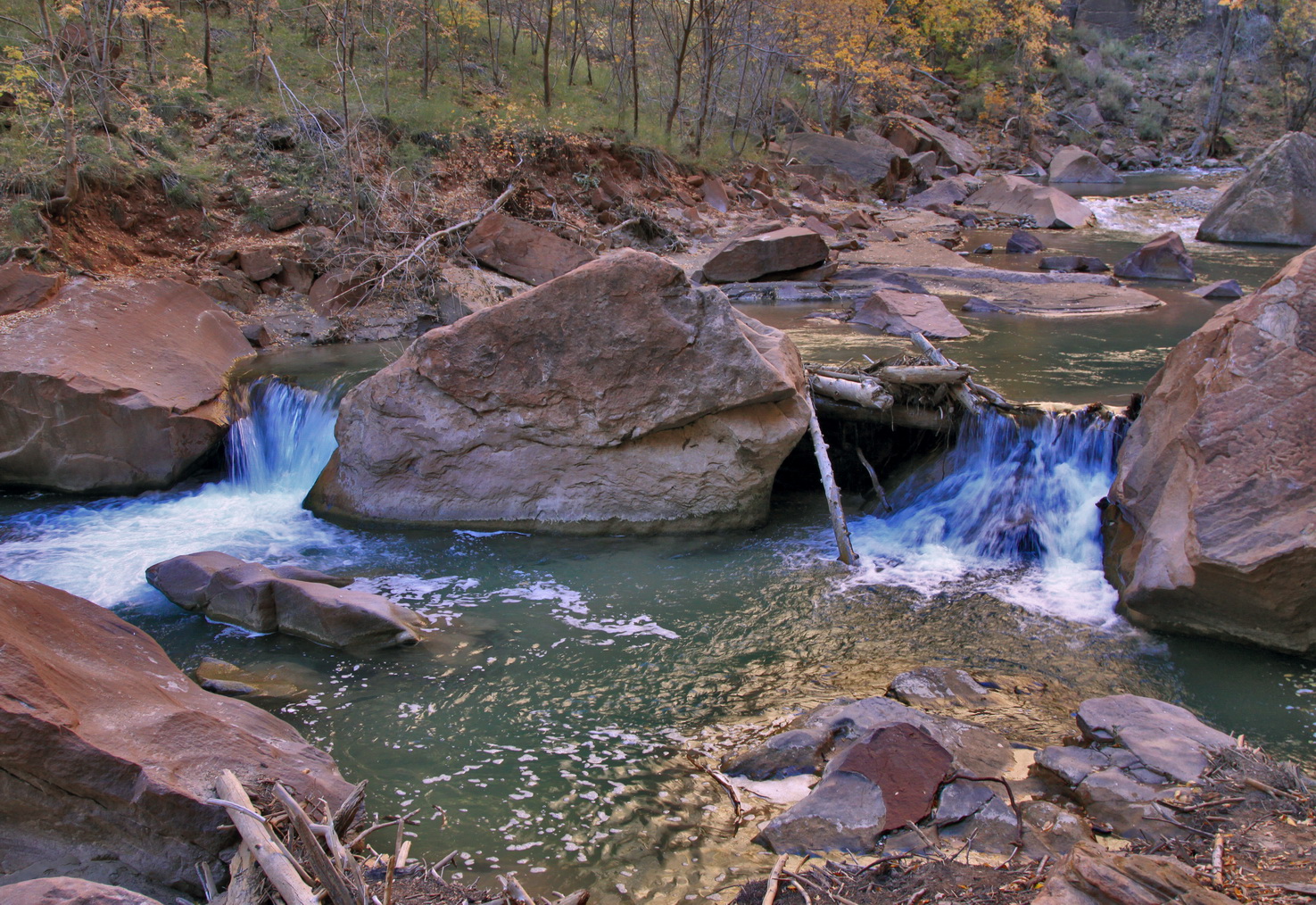
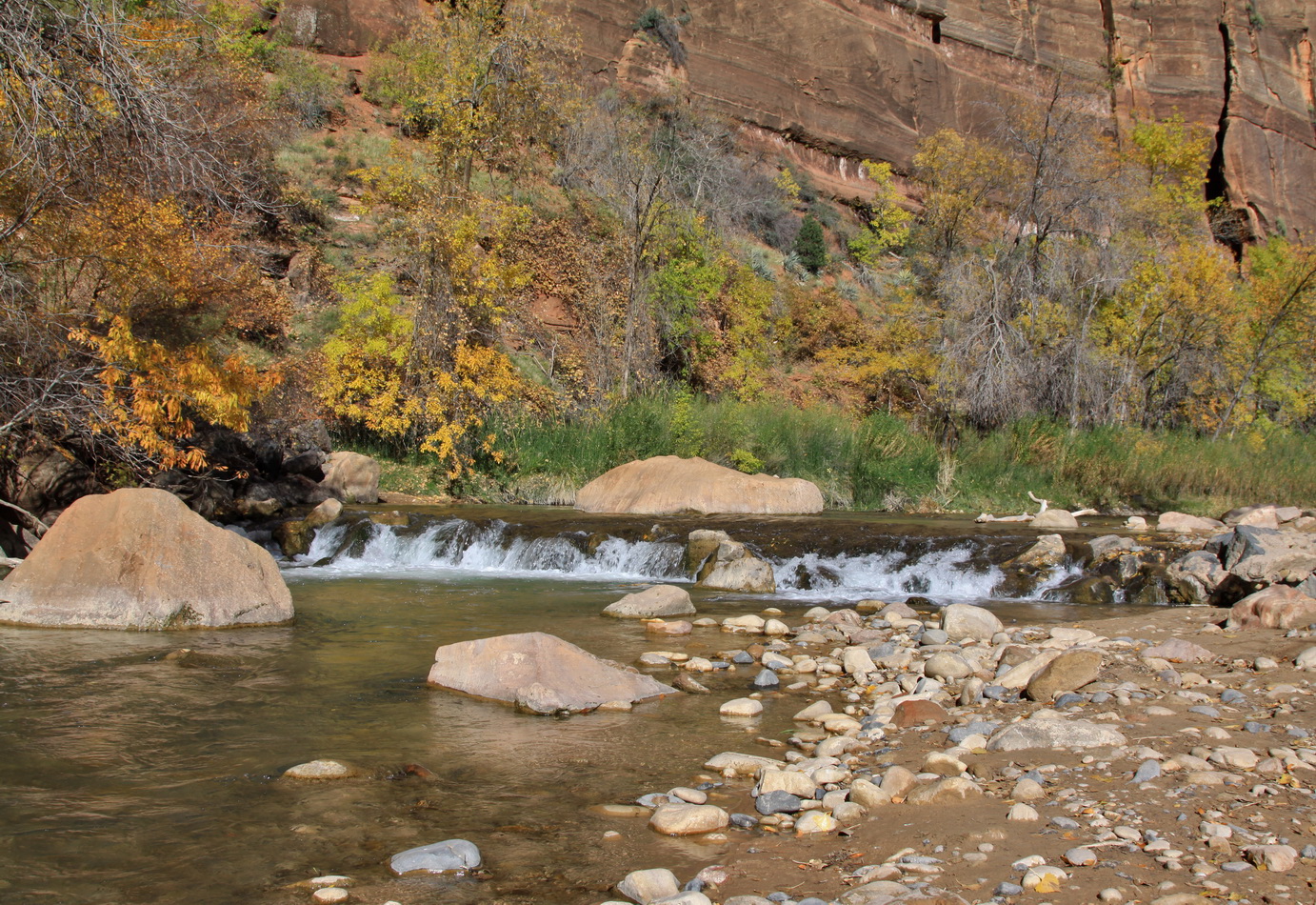
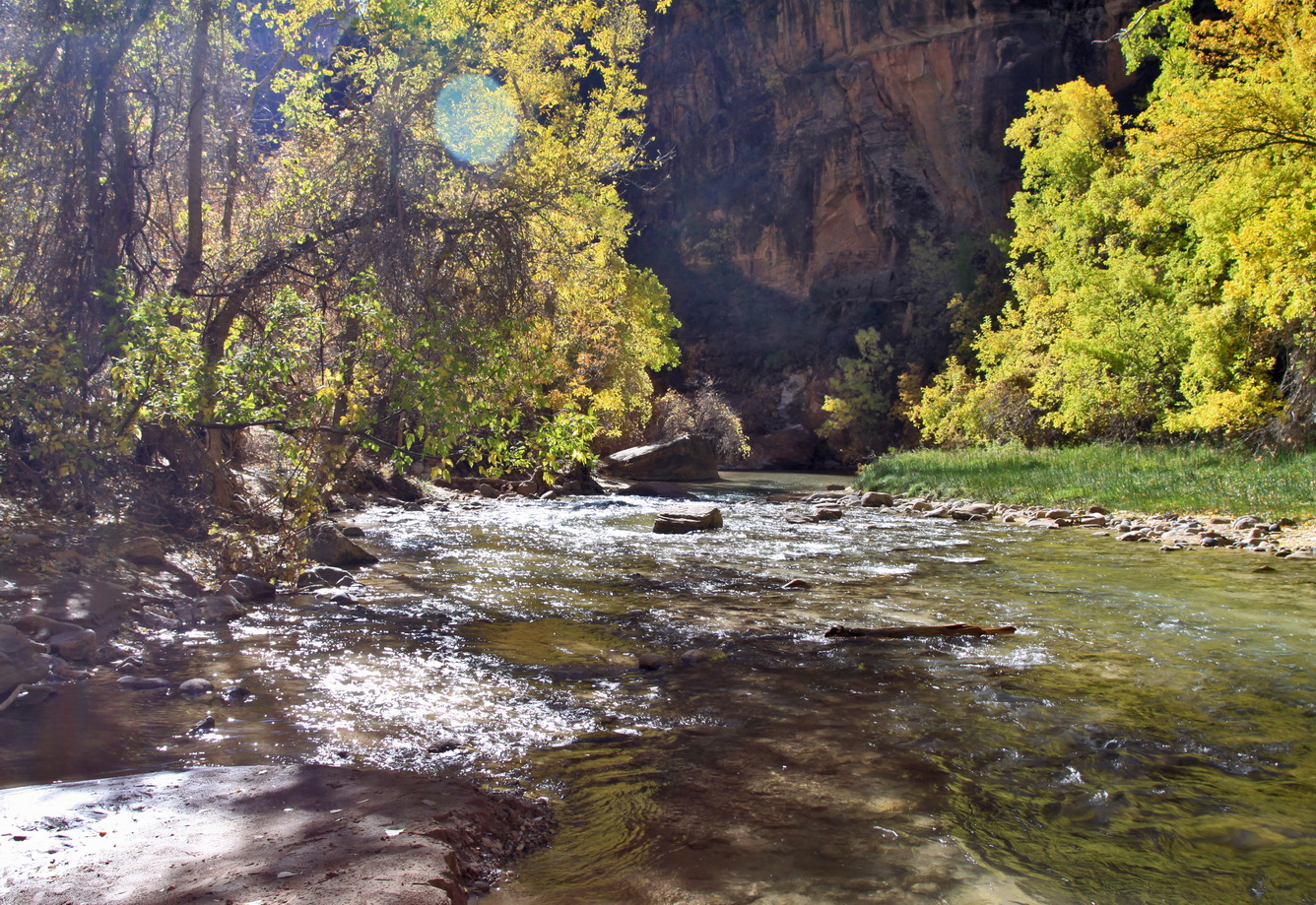
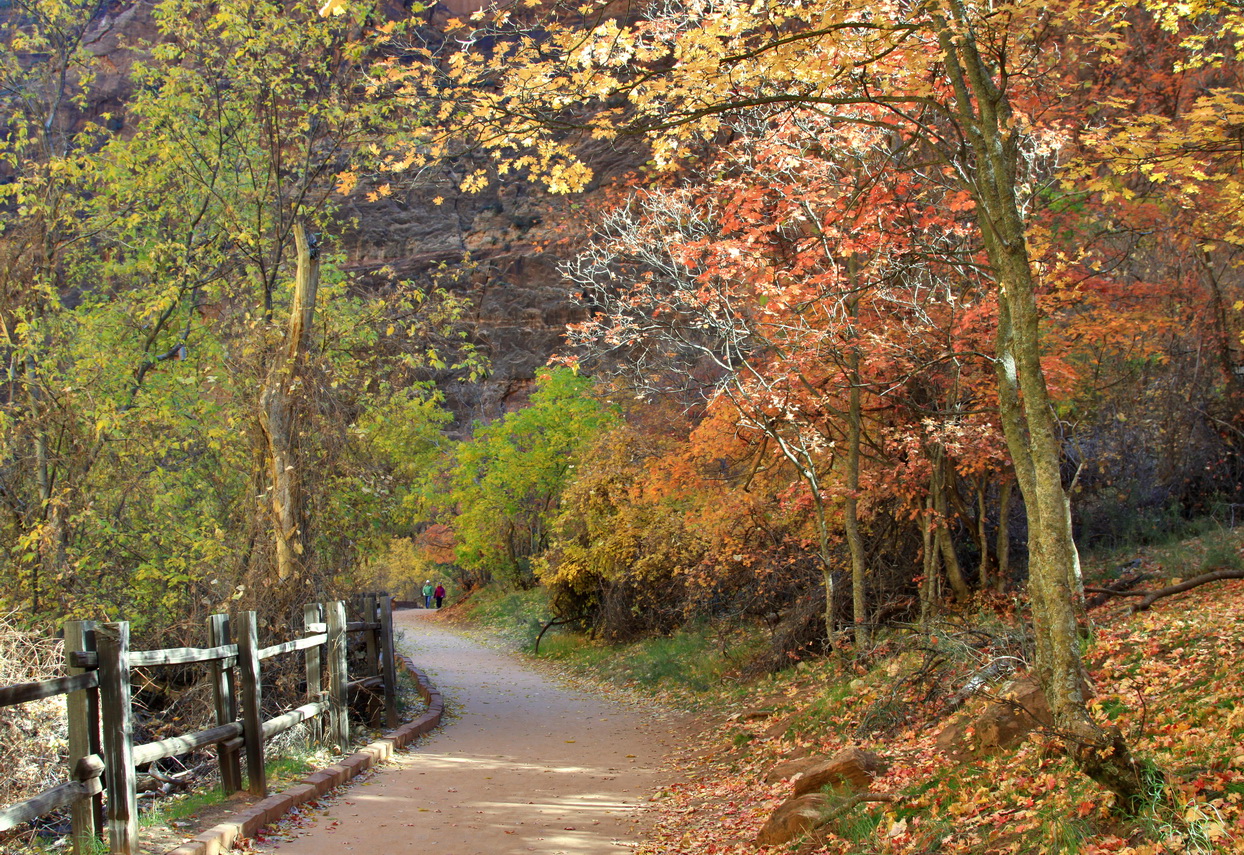
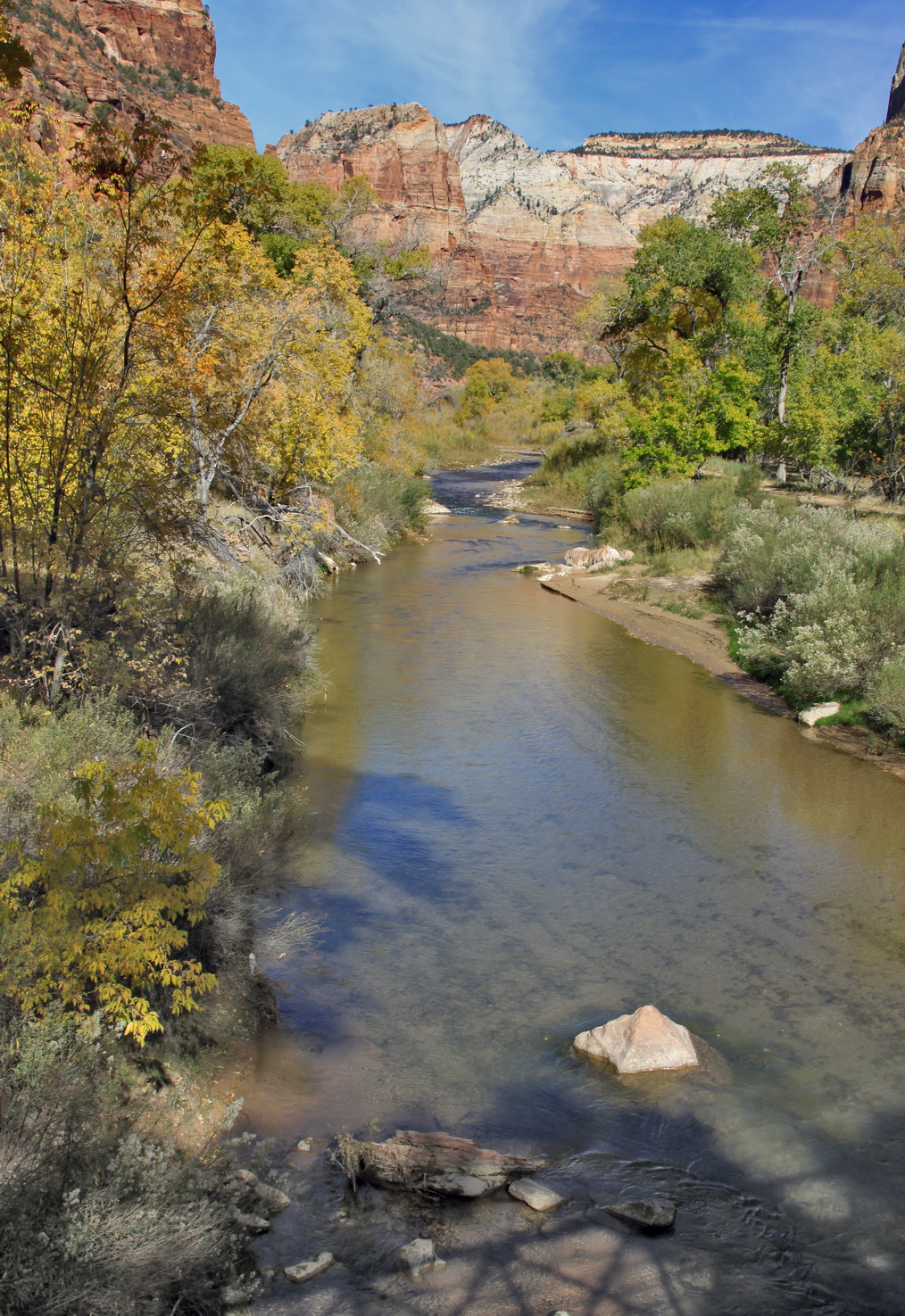
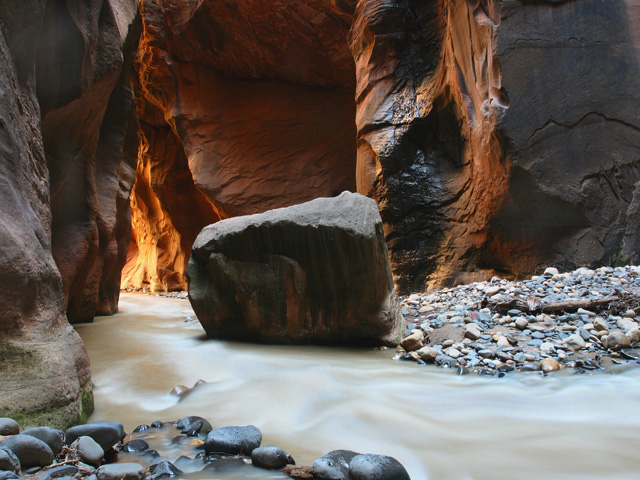
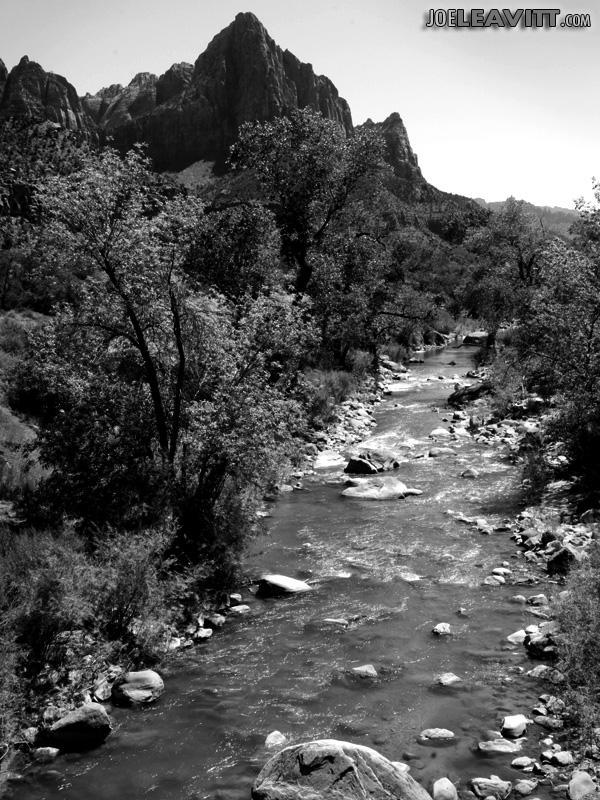
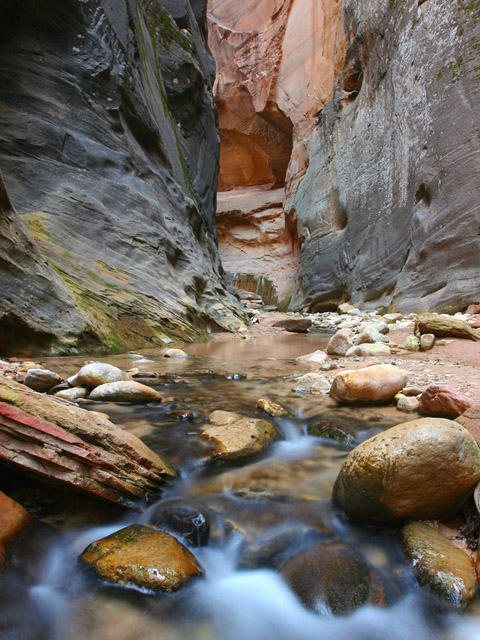
Zion Stream
© Ed Heaton

VIEW PHOTO GALLERY


Facilities and Activities:
Day-UseHiking Trail, milesyes
 Picnickingyes


National Park Location Maps:
Local area map for Zion National Park location
(click here to zoom and navigate local map)

State of Utah map showing Zion National Park location
(click here to zoom and navigate regional map)


View TOPO Maps!

Get directions to this park:
Town and state
OR
zip code

Google™ Maps opens in a new window


National Park Photo Gallery:
   volunteer positions open


National Park Event Calendar:
   volunteer positions open

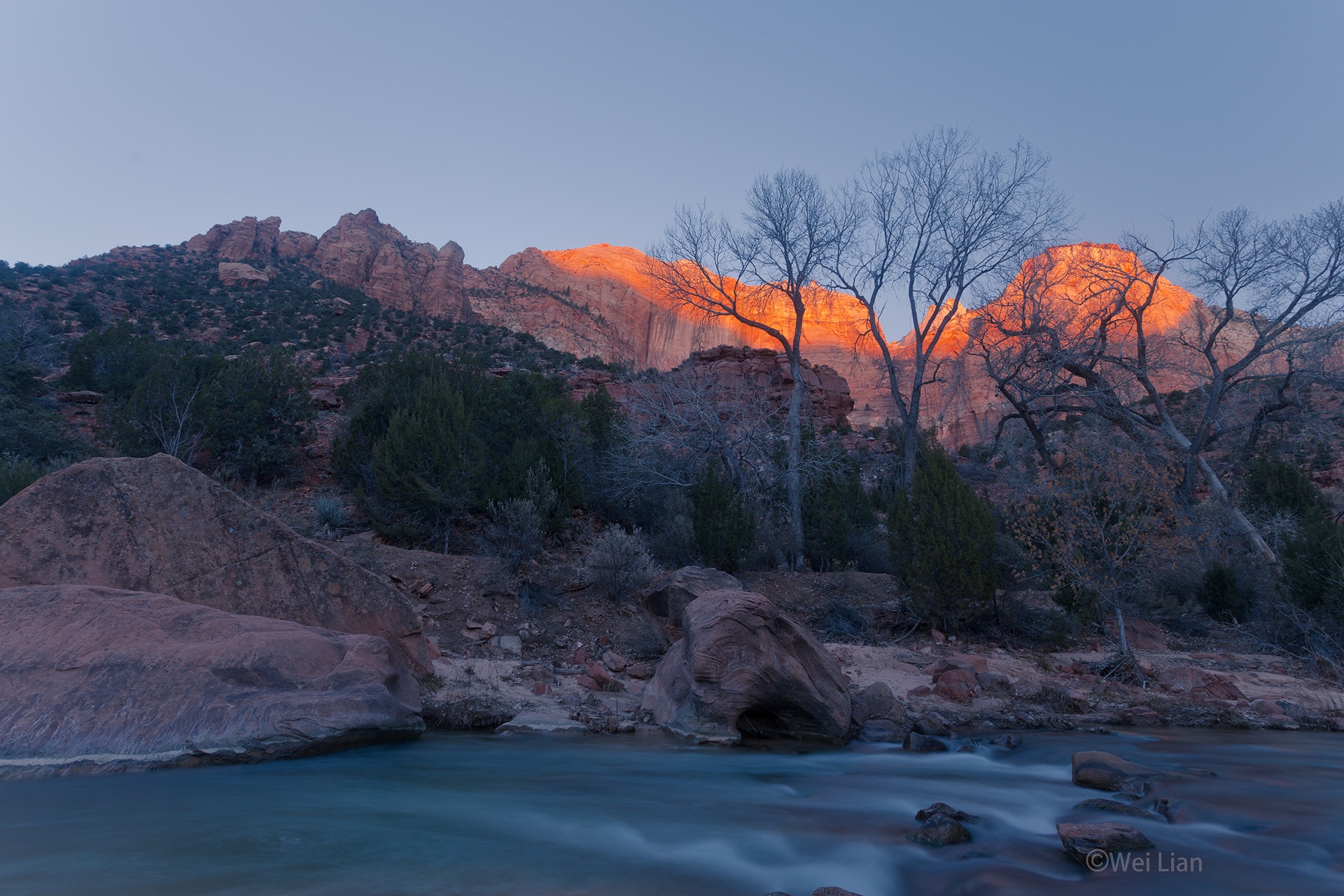
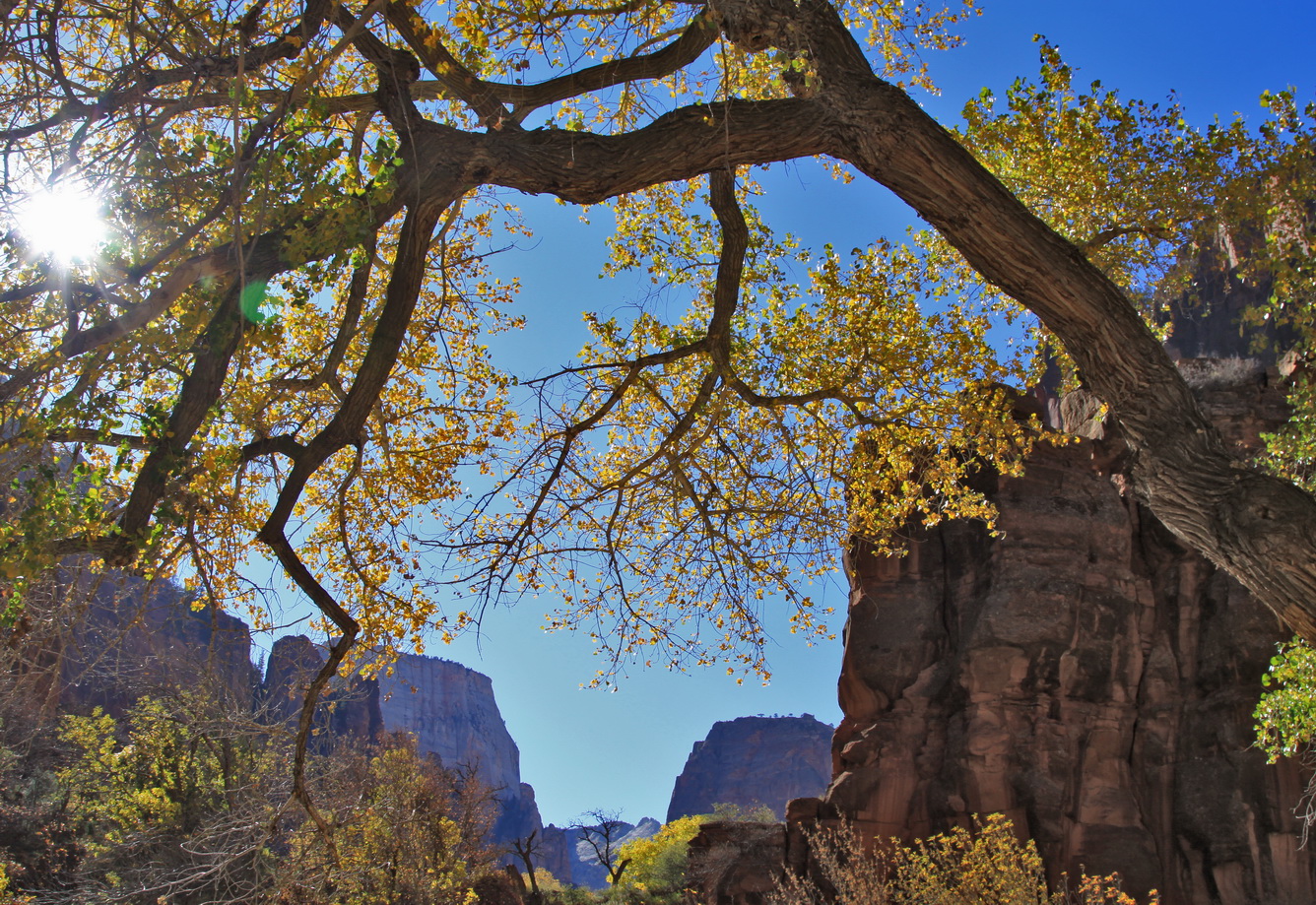
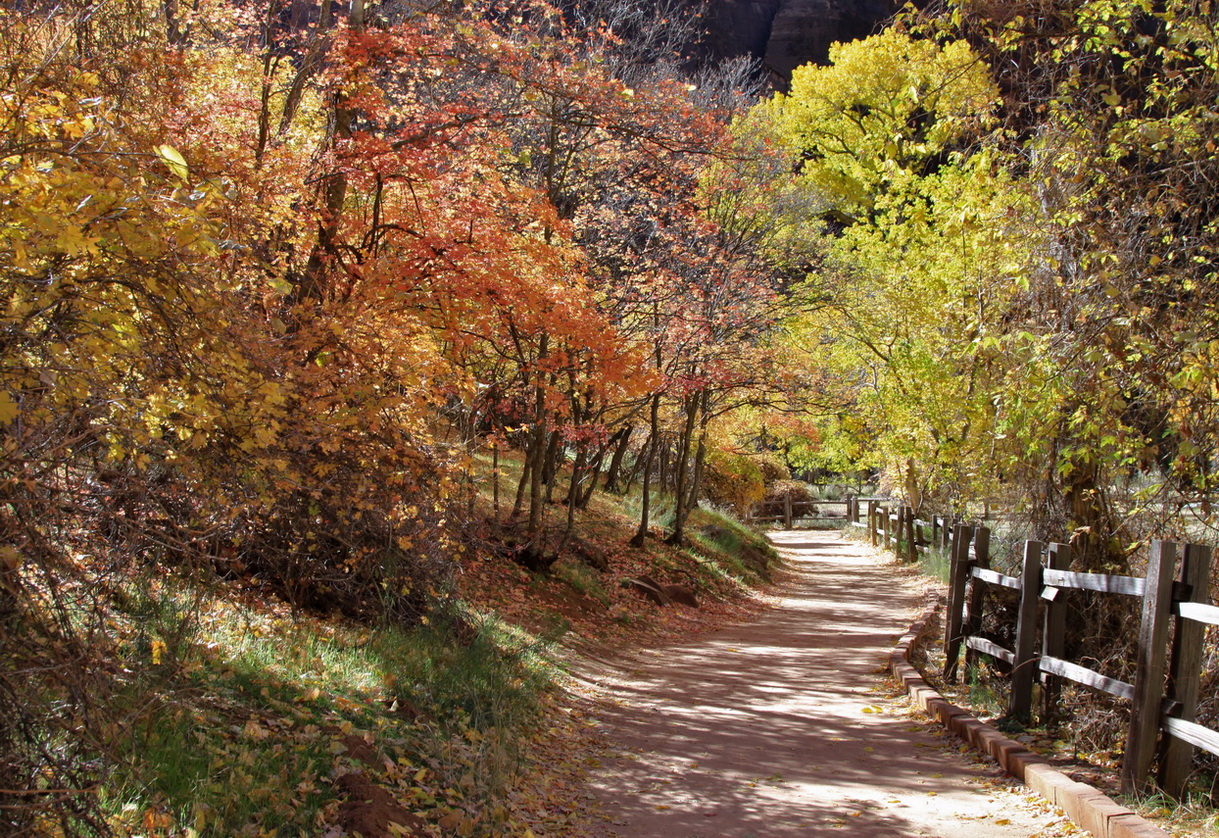
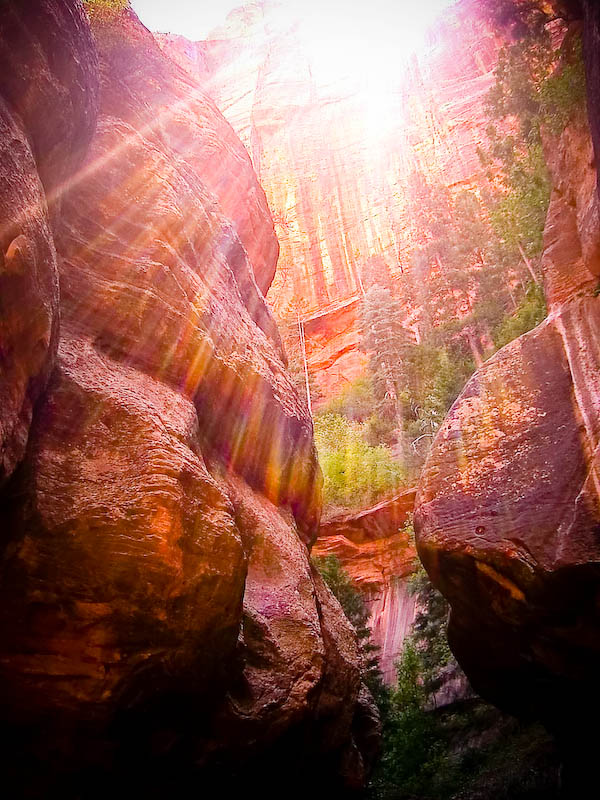
Zion's Light
© Scott Jarvie

VIEW PHOTO GALLERY


Nearby Parks:


National Park Contact Information:
Zion National Park
Zion National Park
Springdale, 84767-1099
Adopt-A-Park Contacts:
Yogi's Helper: volunteer positions open
Nature Programs: volunteer positions open
Photography: volunteer positions open
National Park Overview:
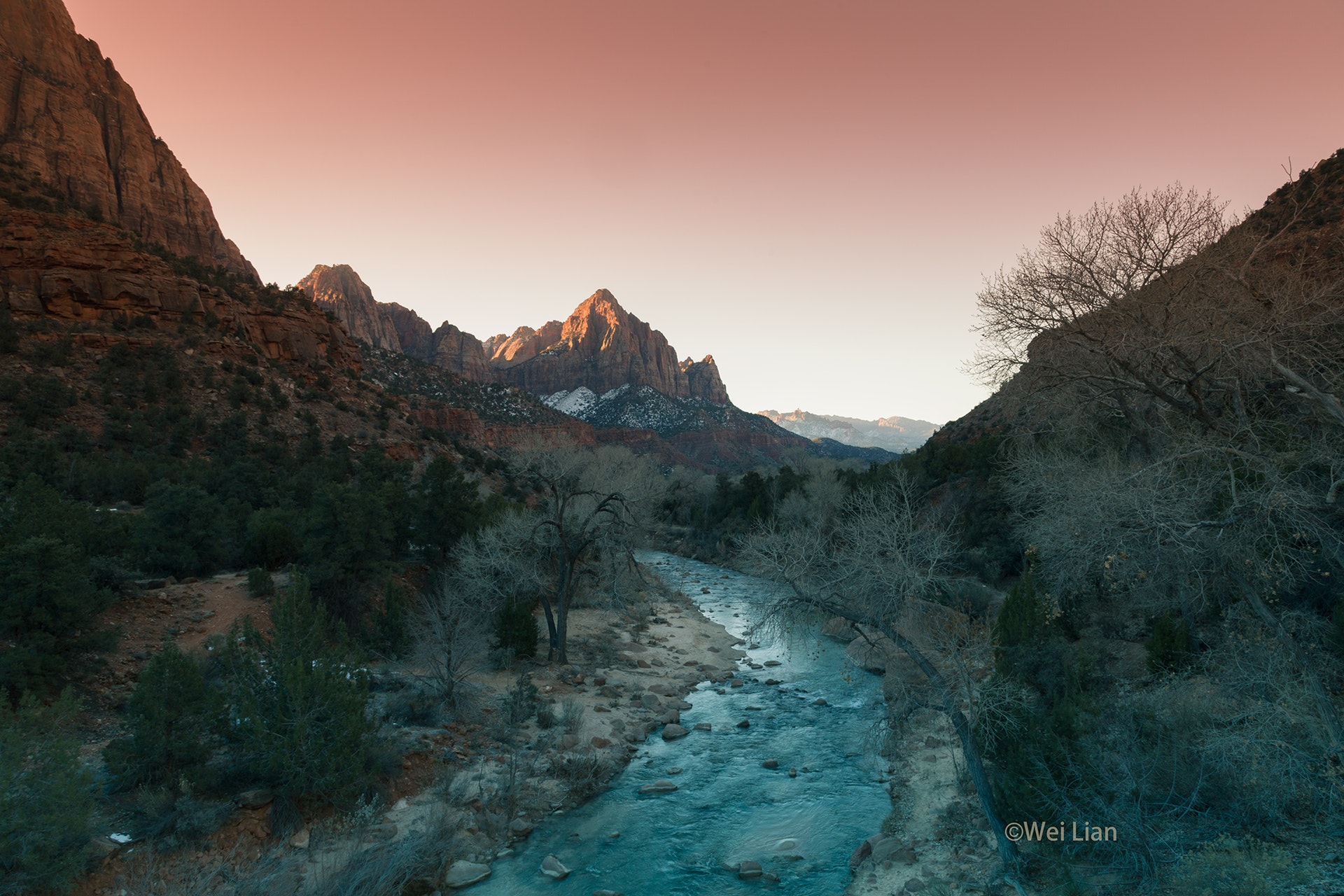
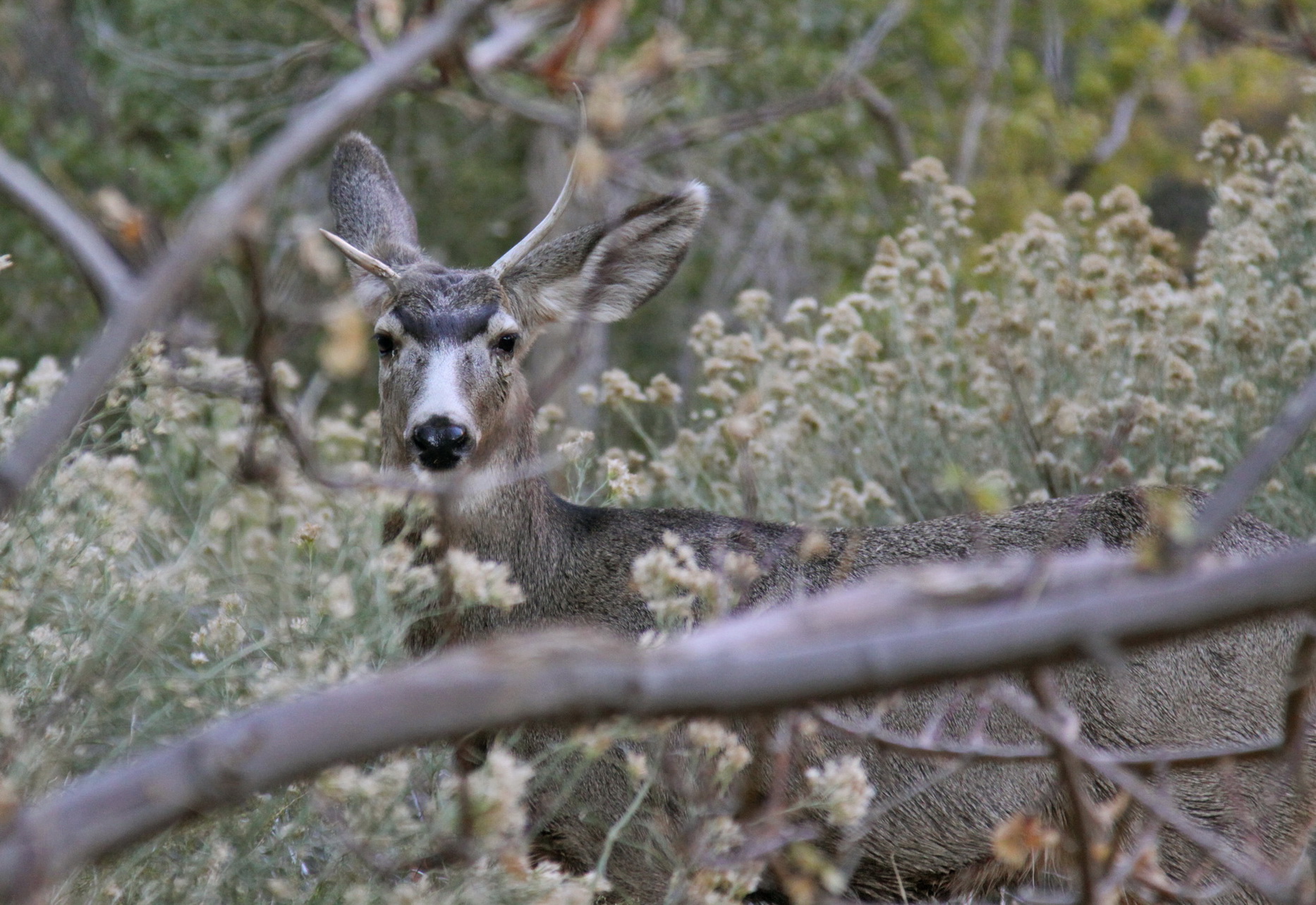
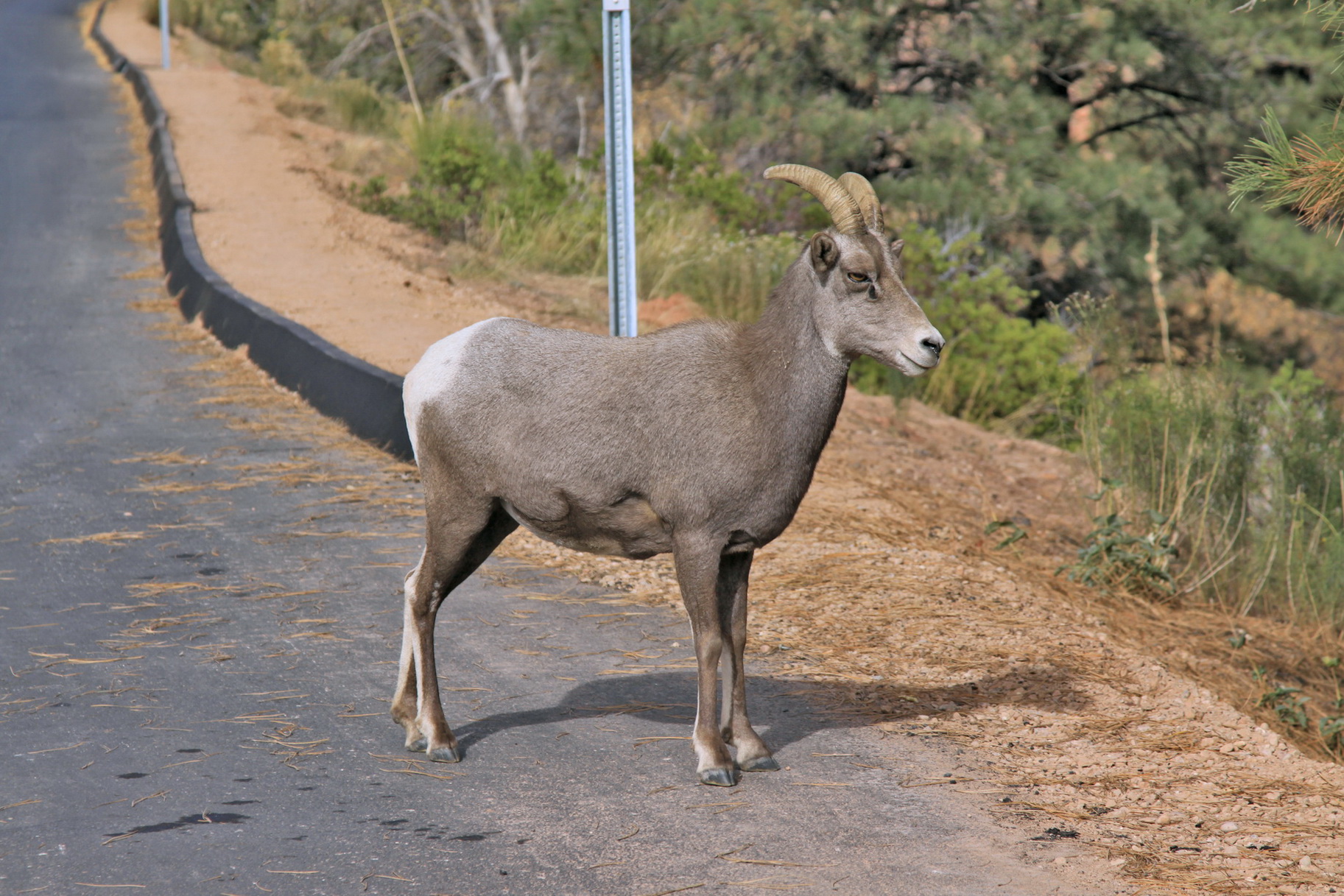
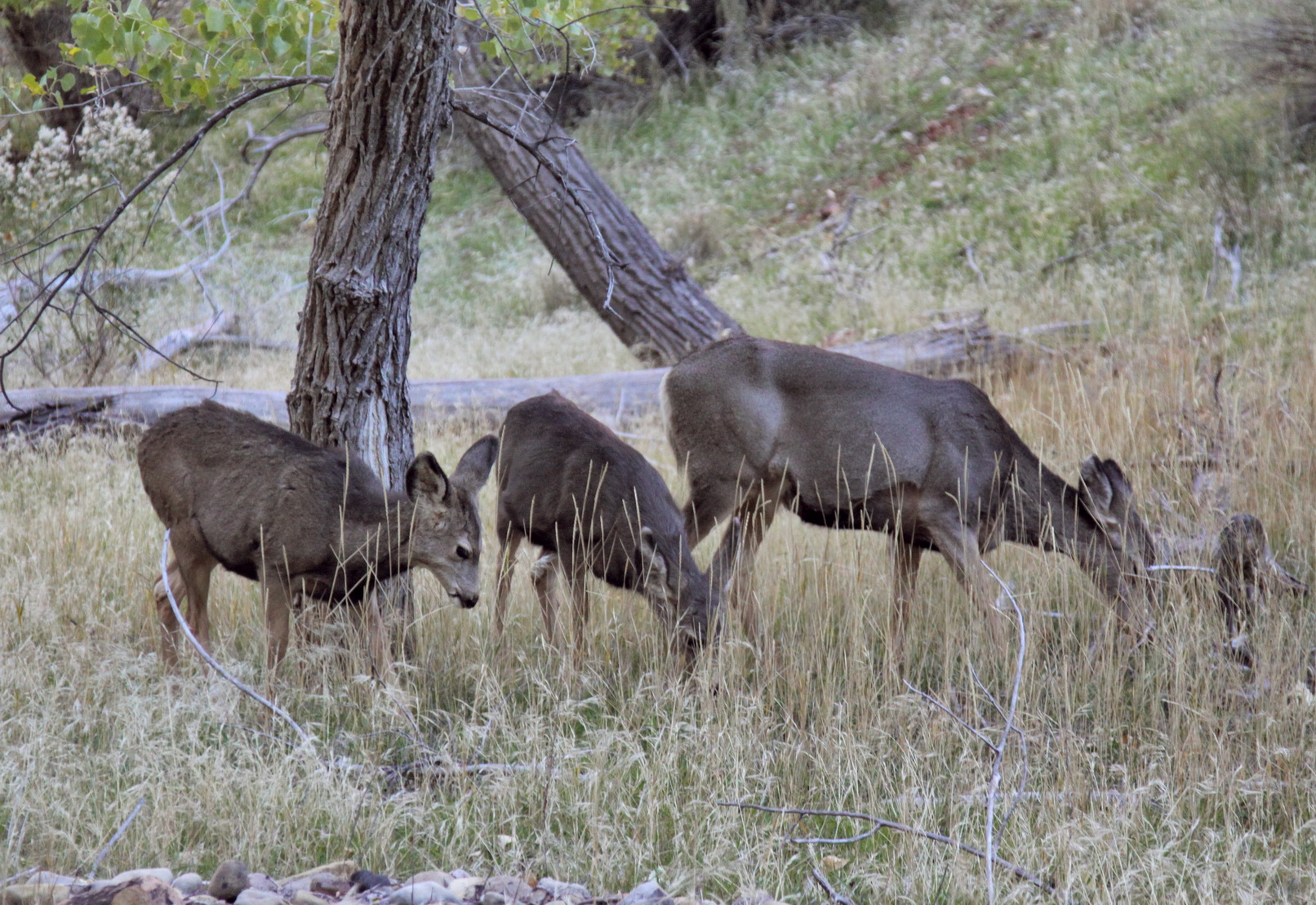
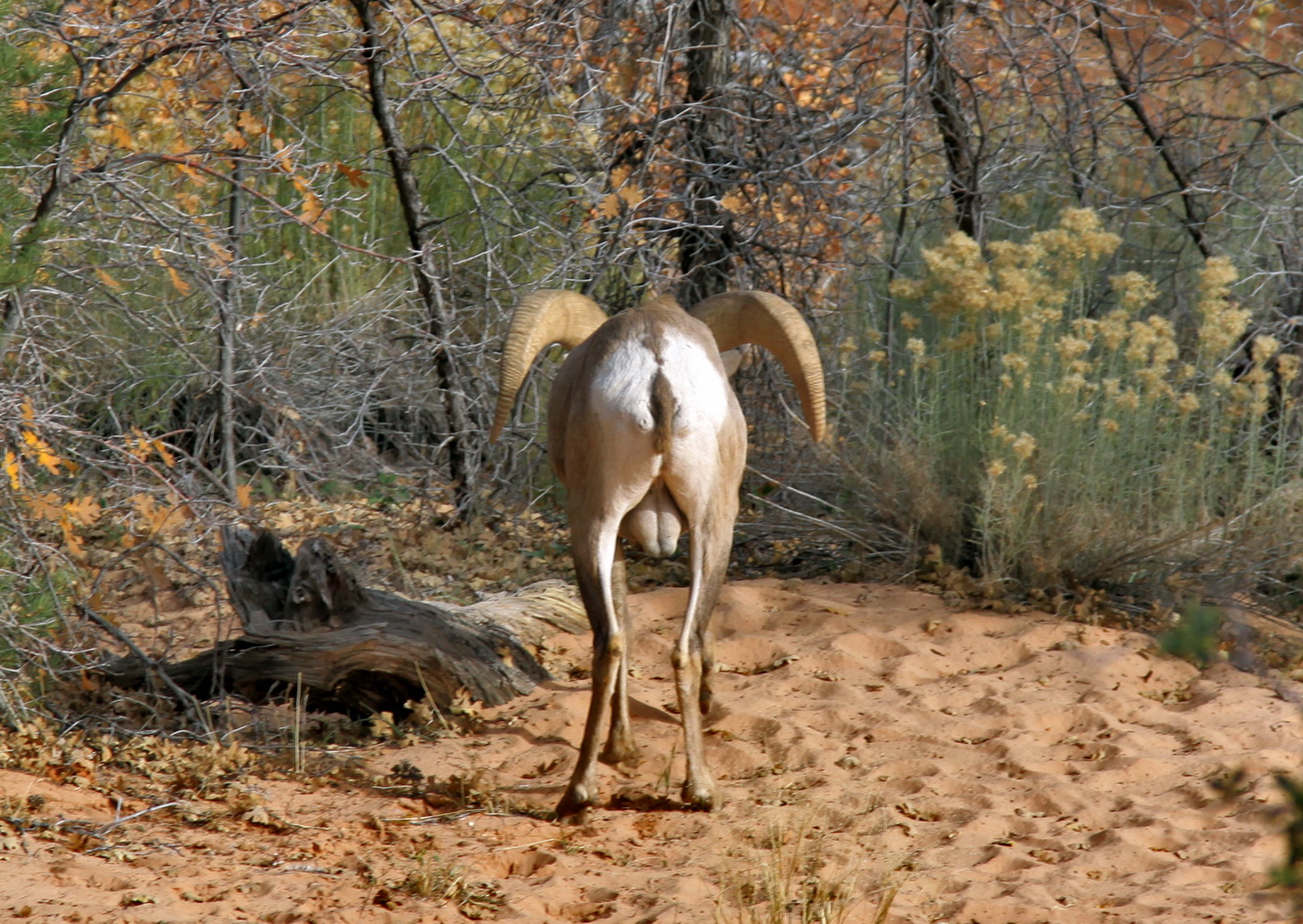
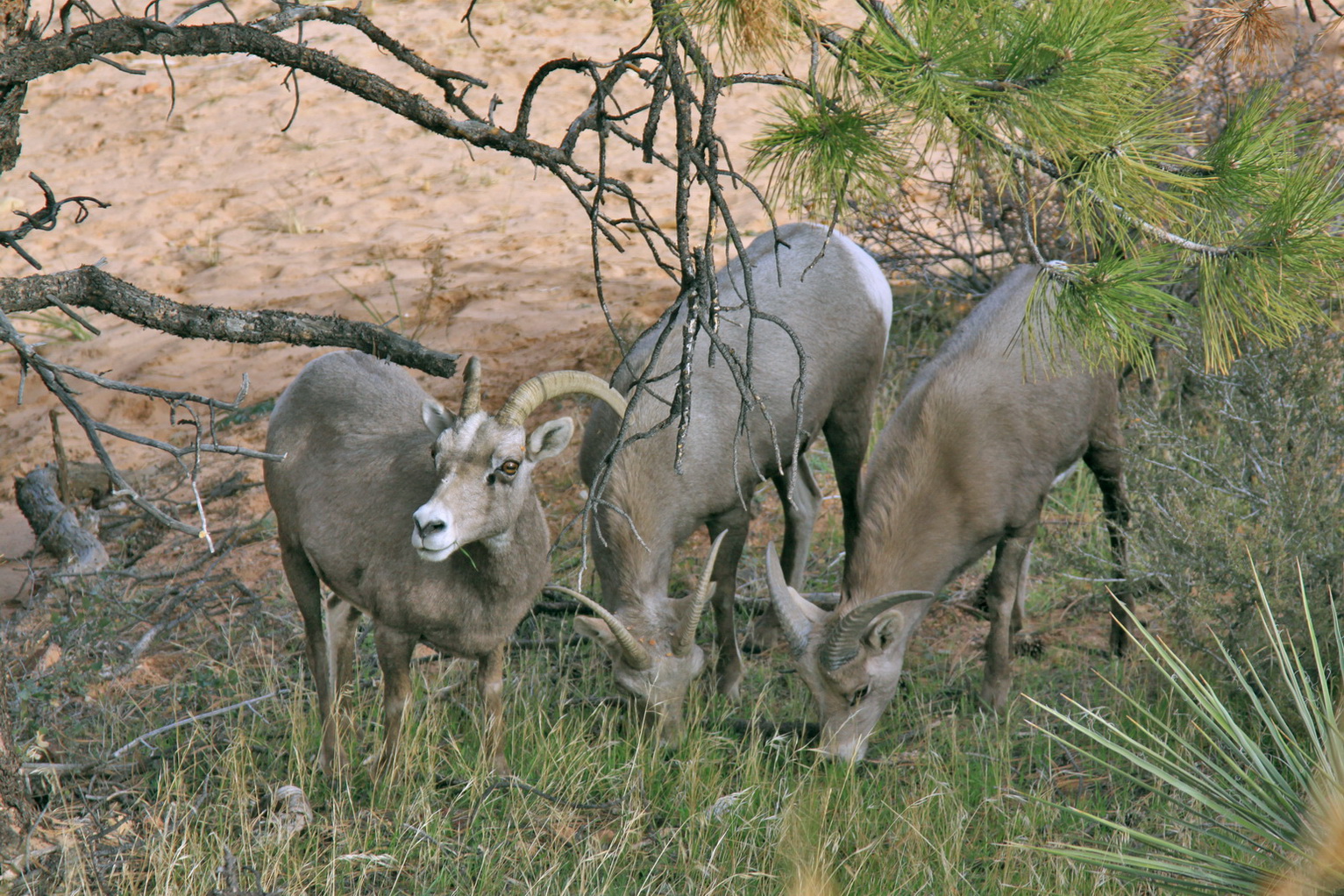
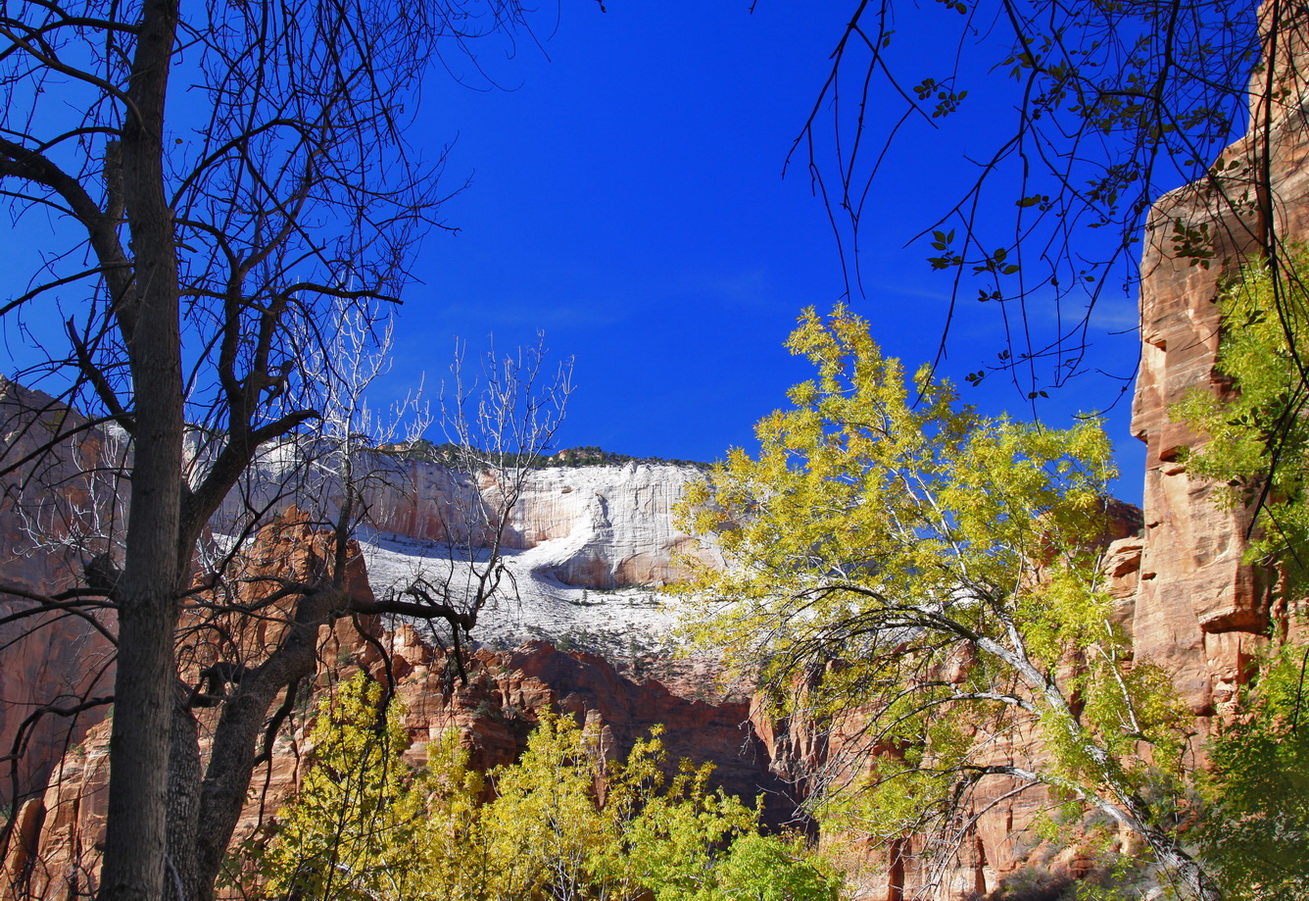
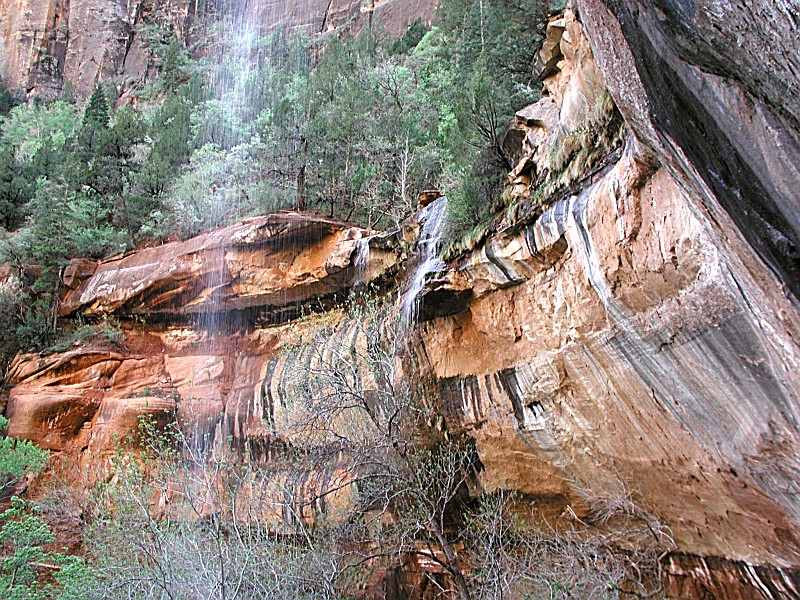
Zion is an ancient Hebrew word meaning a place of refuge or sanctuary. Protected within the park's 229 square miles is a dramatic landscape of sculptured canyons and soaring cliffs. Zion is located at the junction of the Colorado Plateau, Great Basin and Mojave Desert provinces. This unique geography and the variety of life zones within the park make Zion significant as a place of unusual plant and animal diversity.
Nature of the Area:
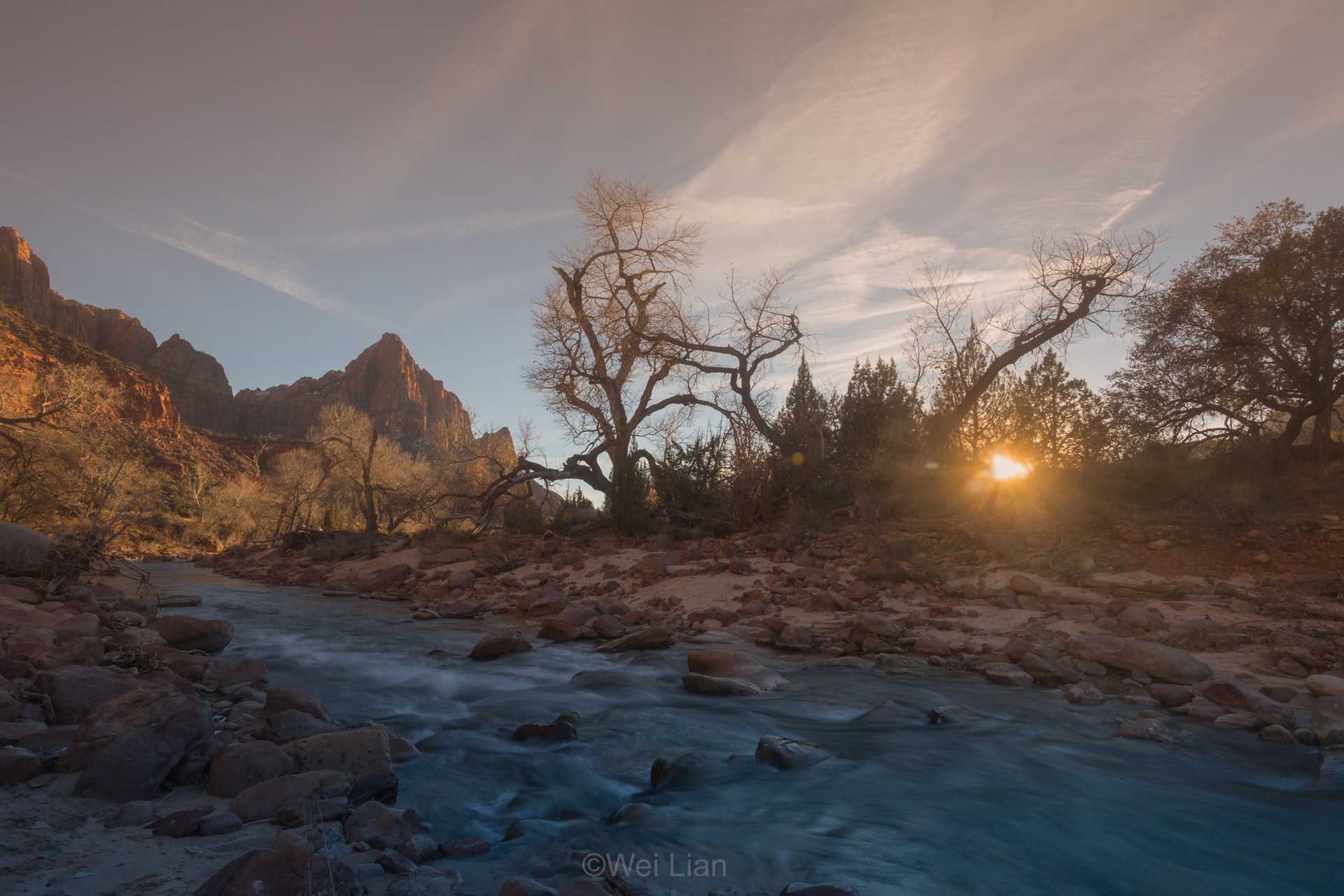
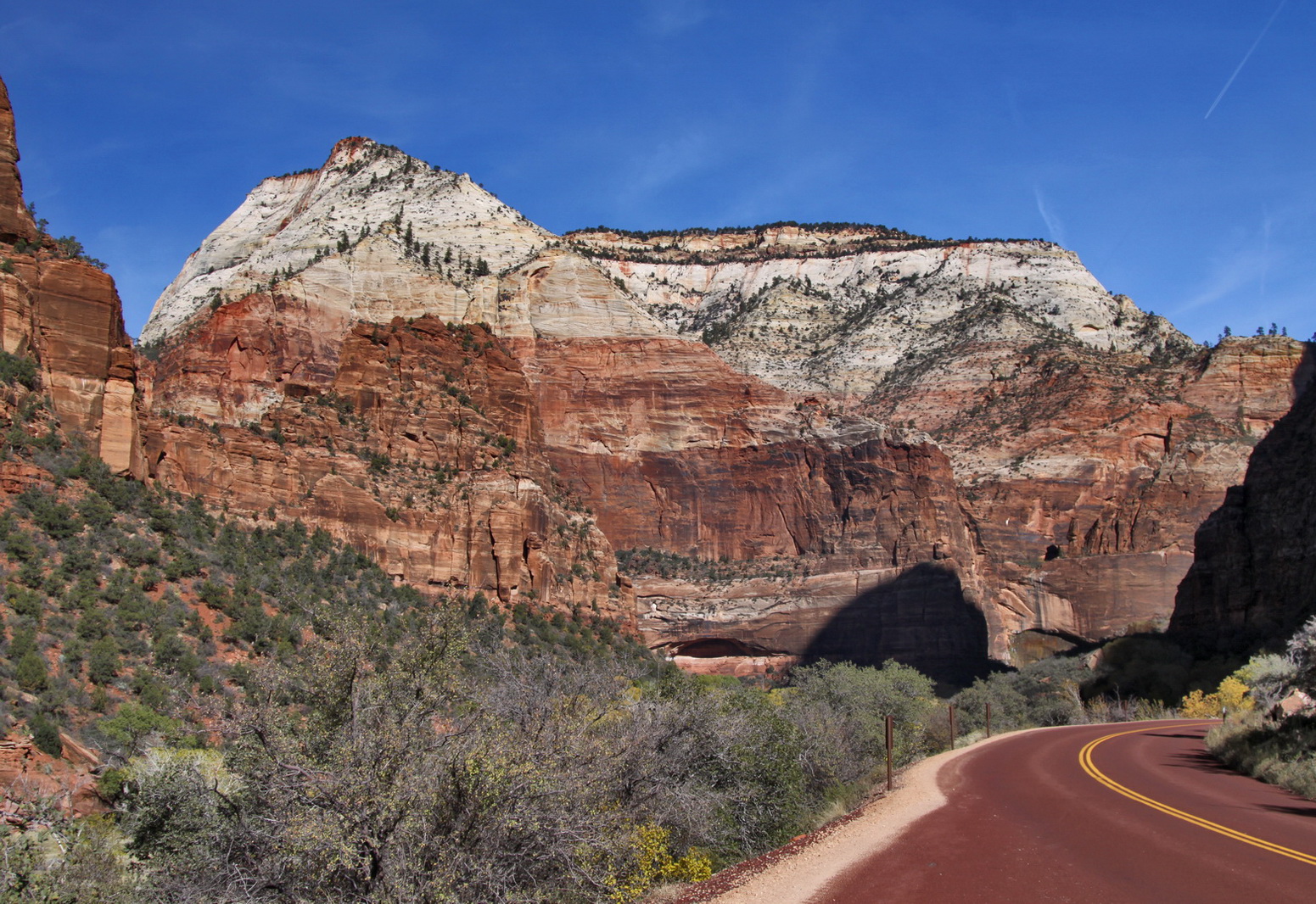
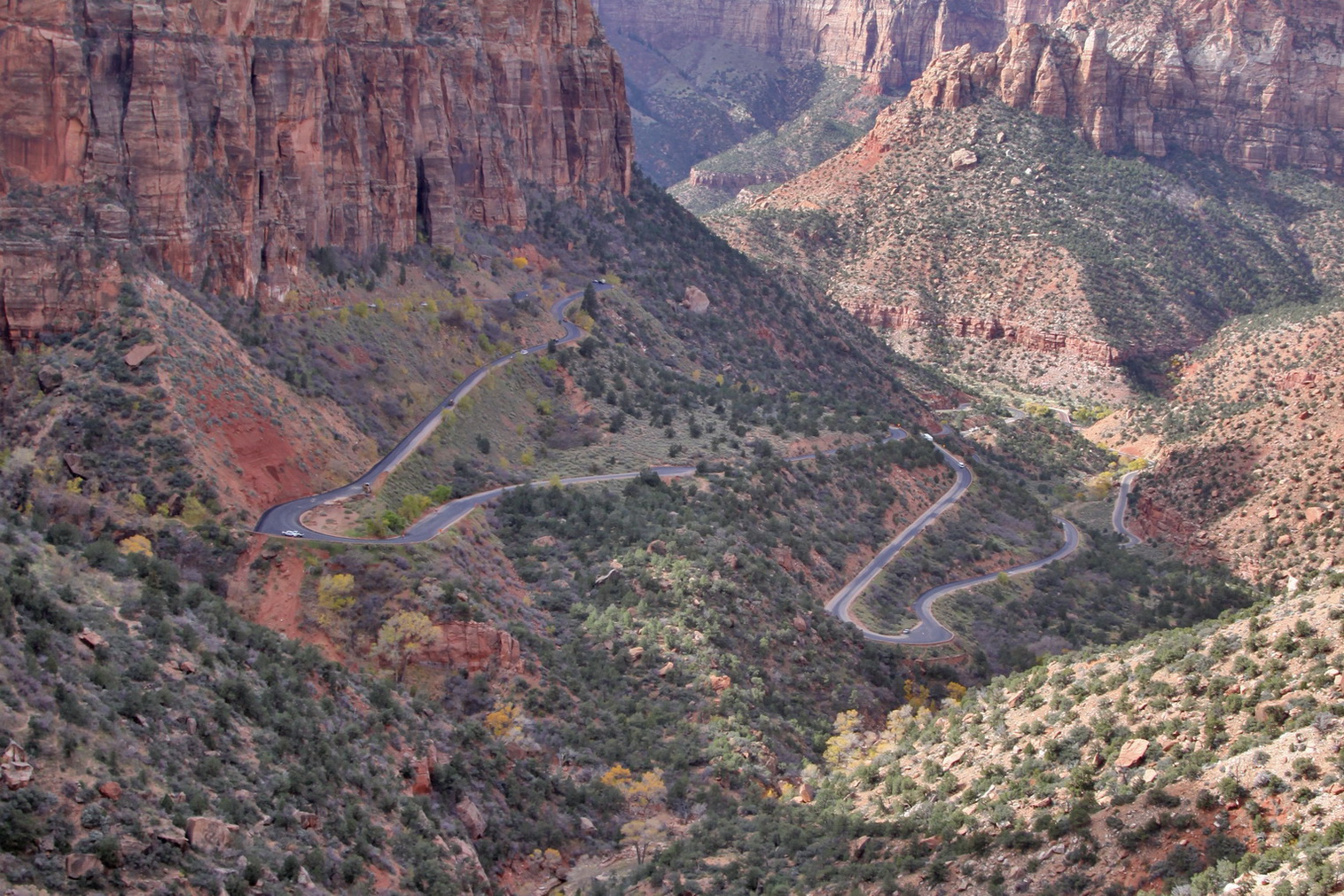
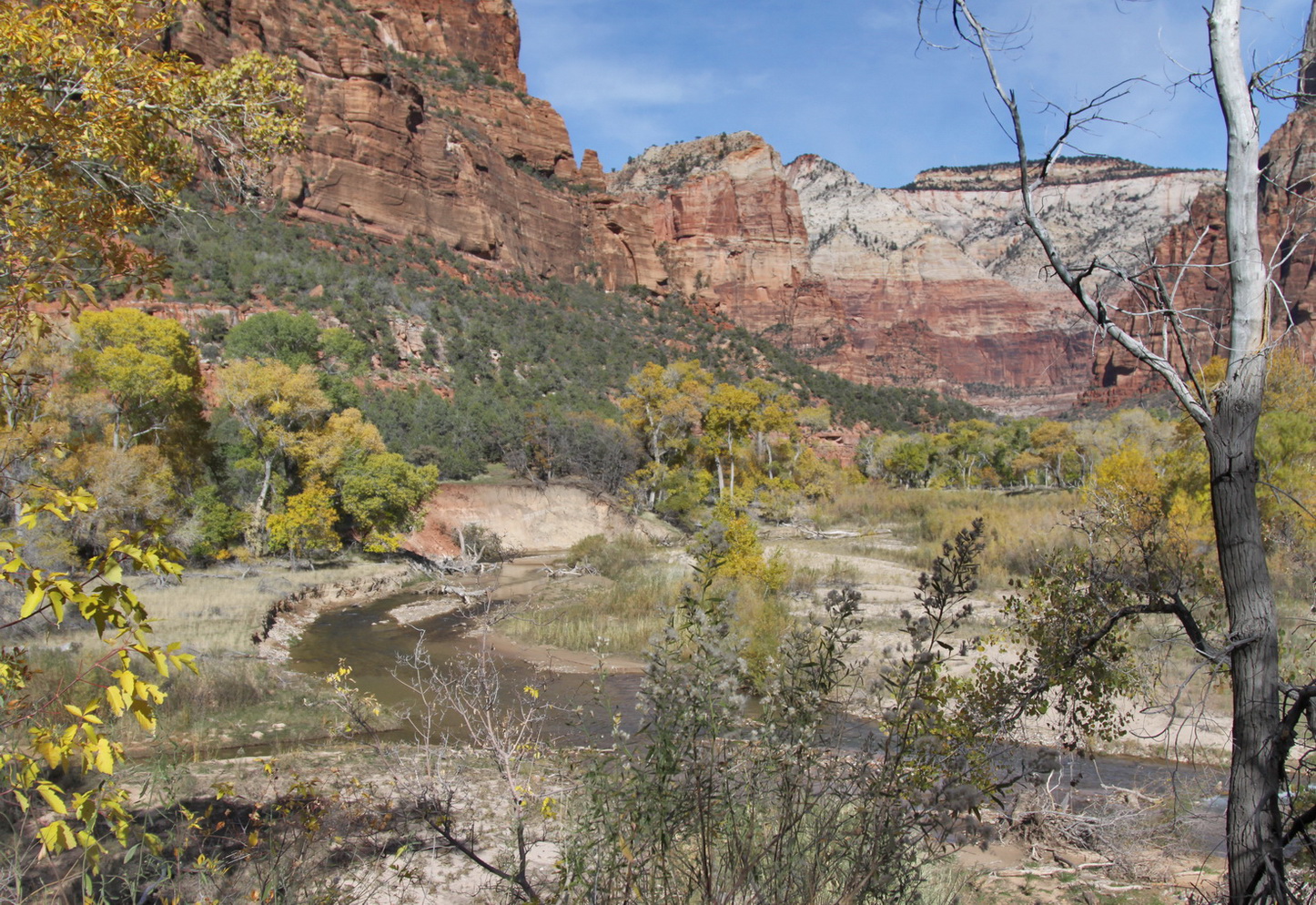
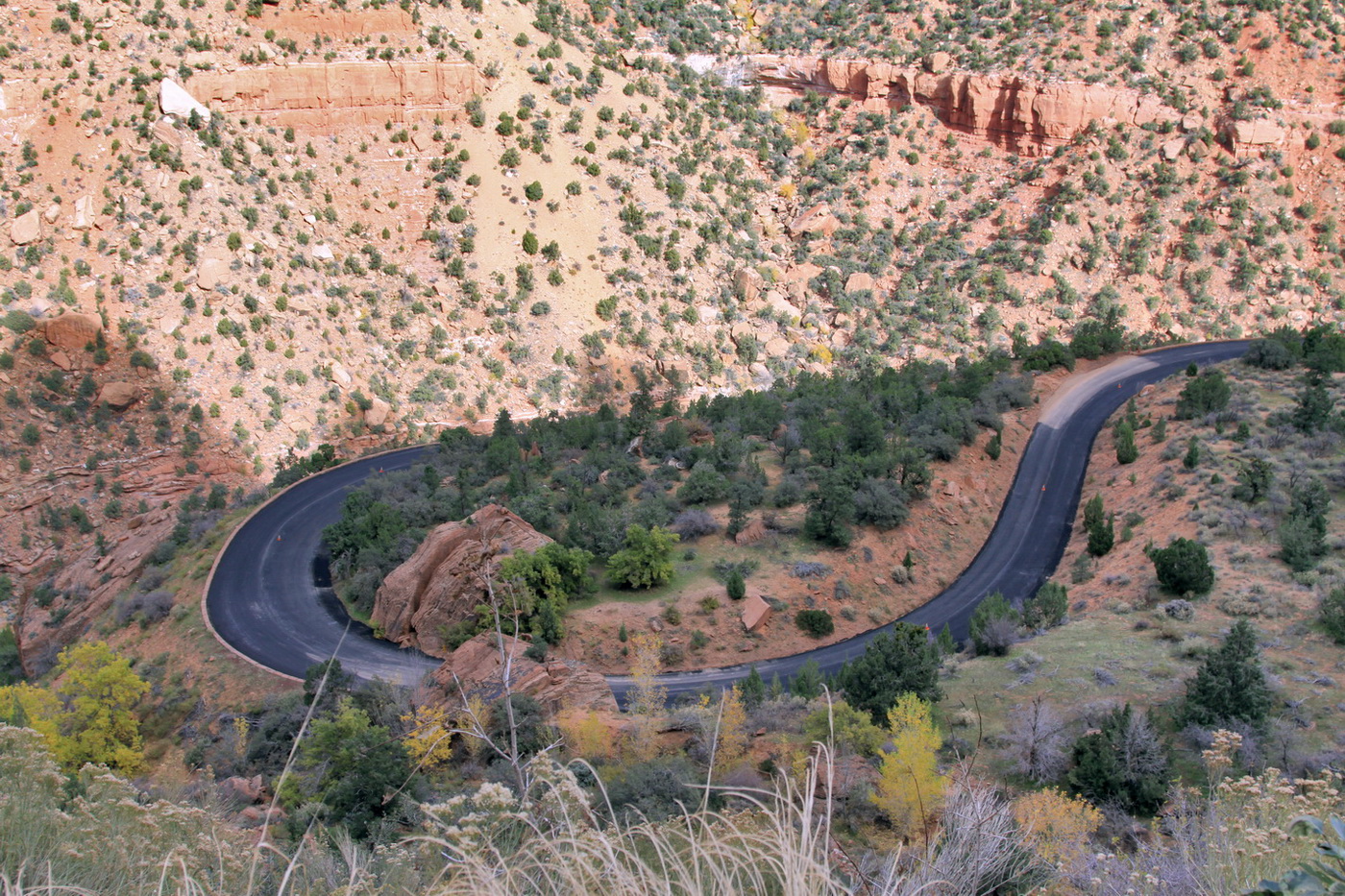
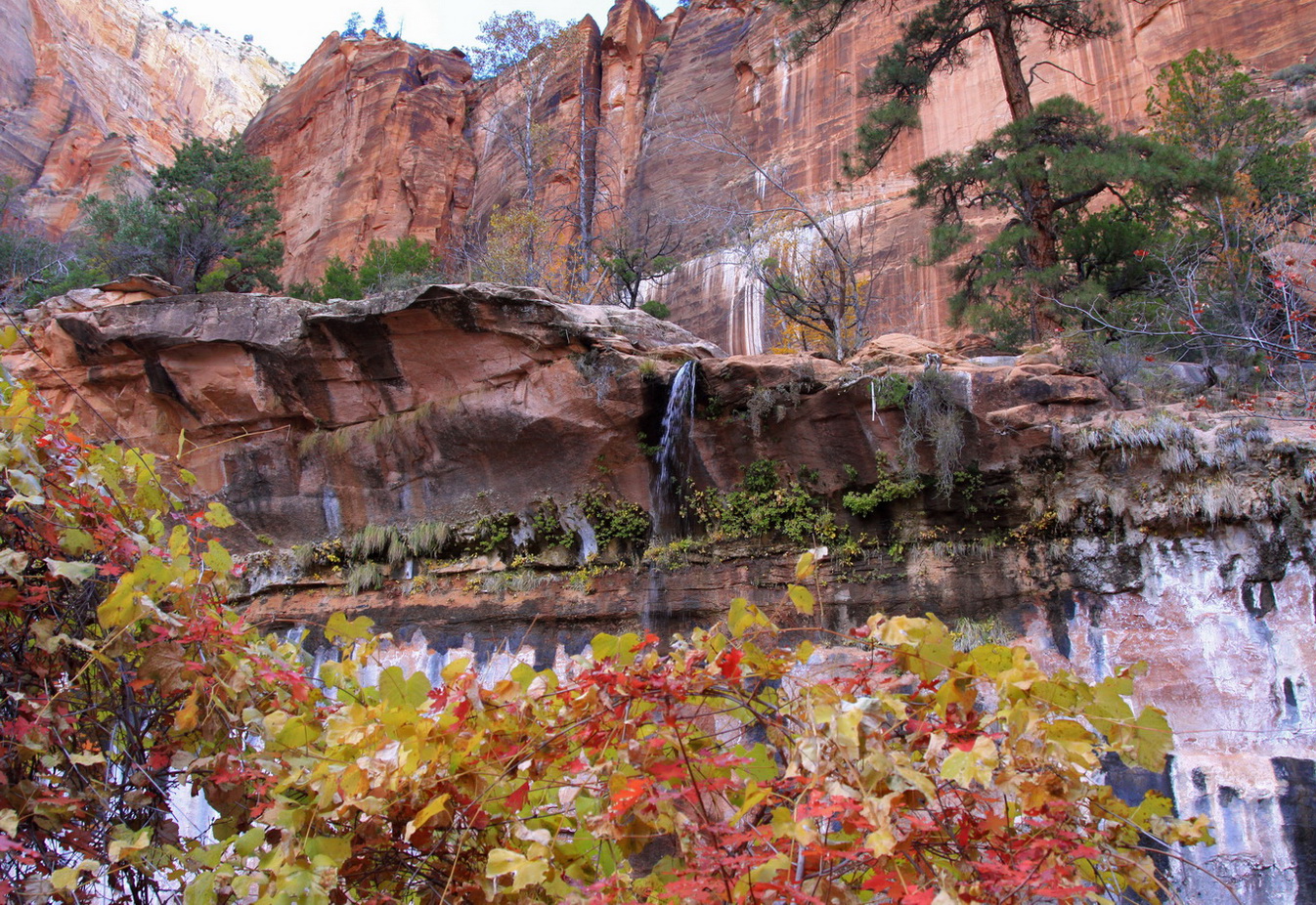
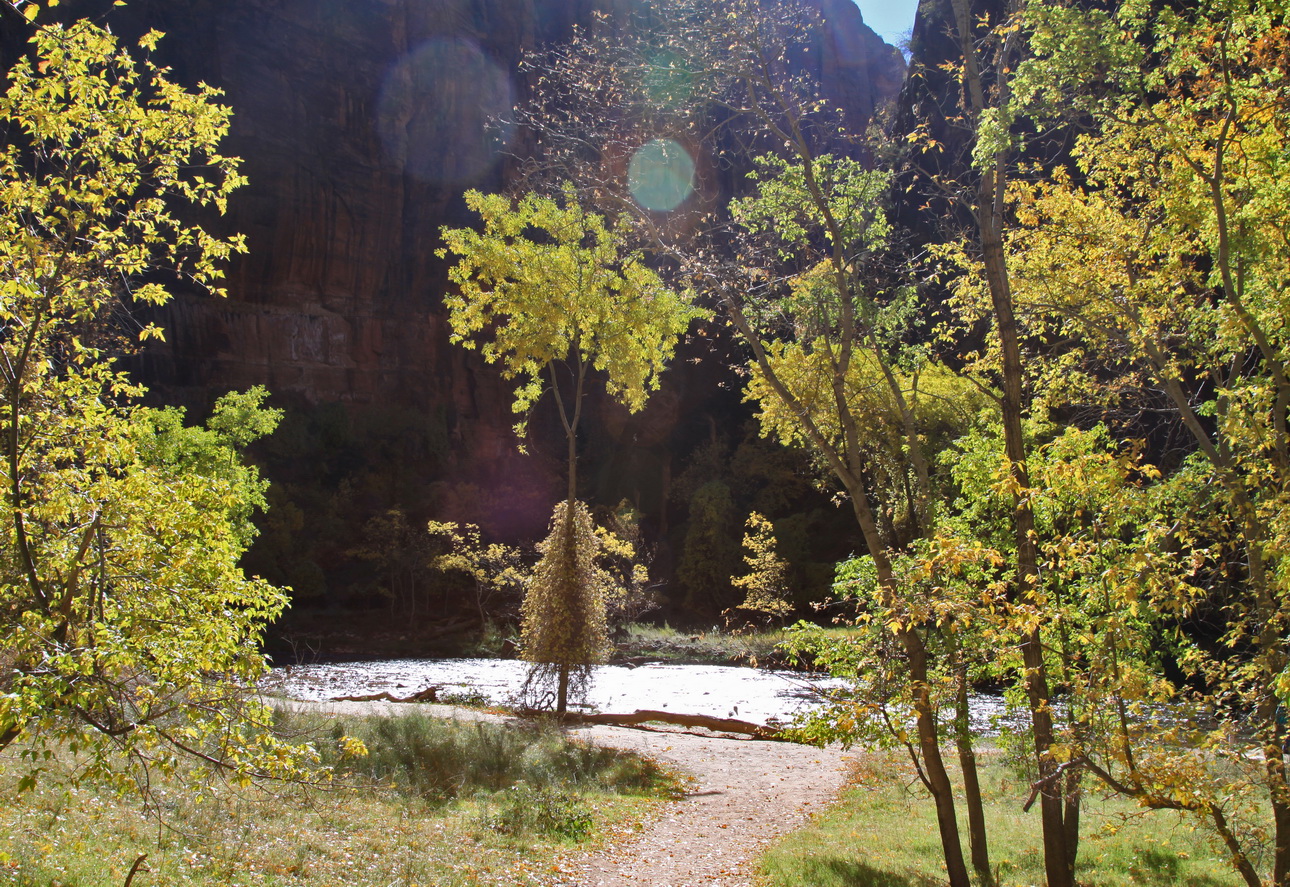
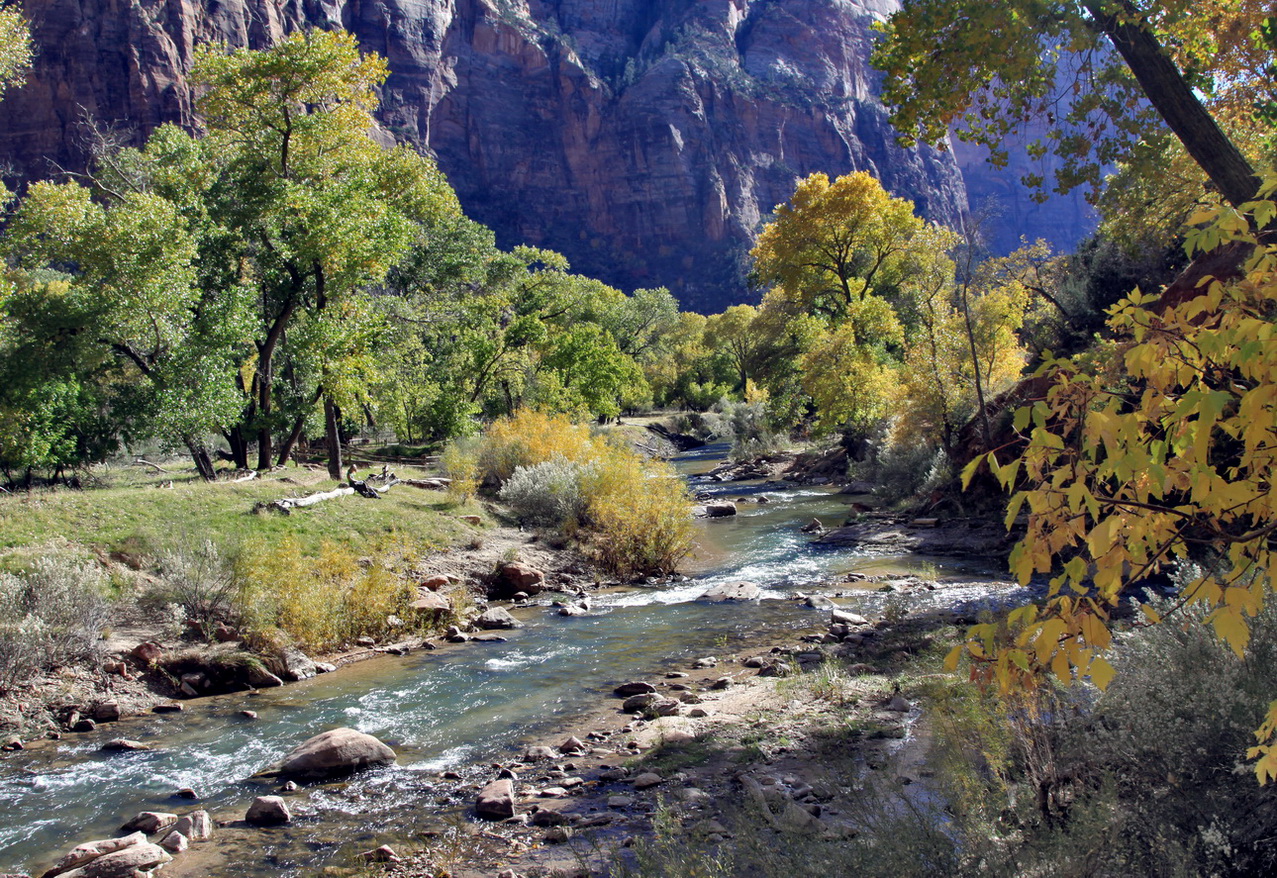
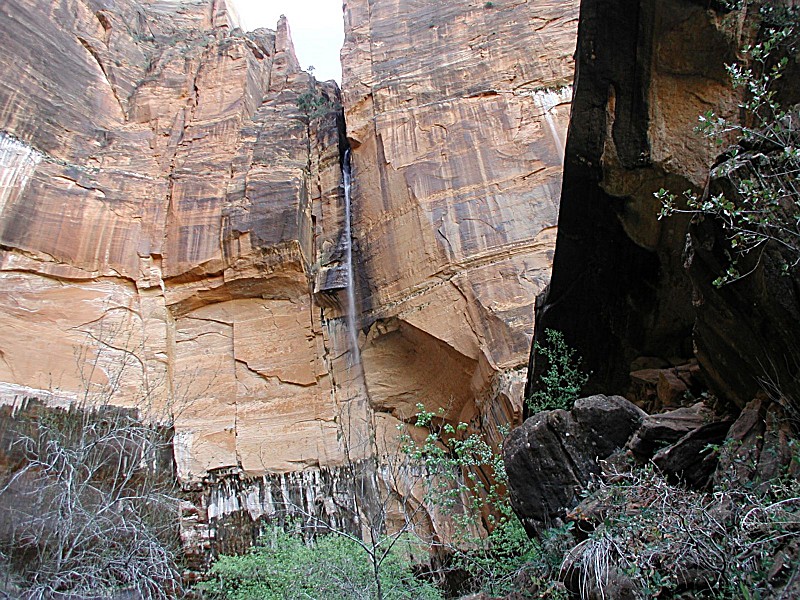
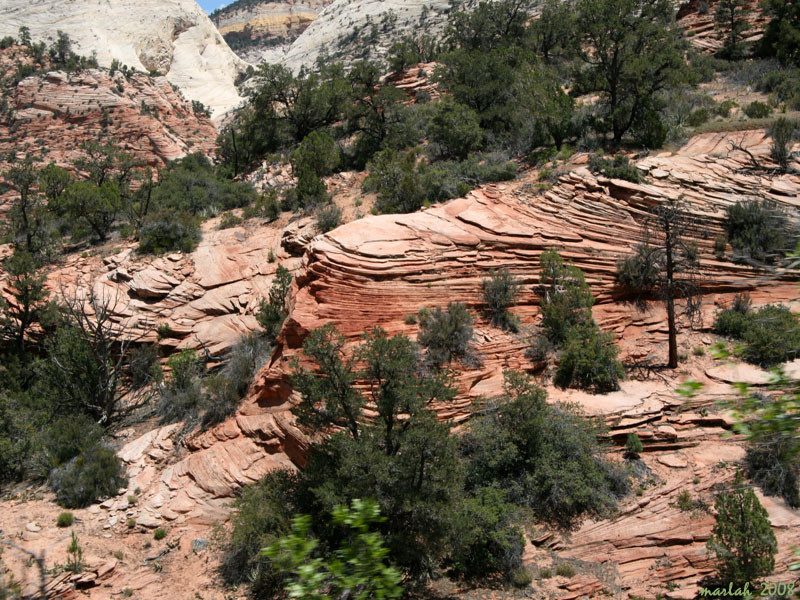
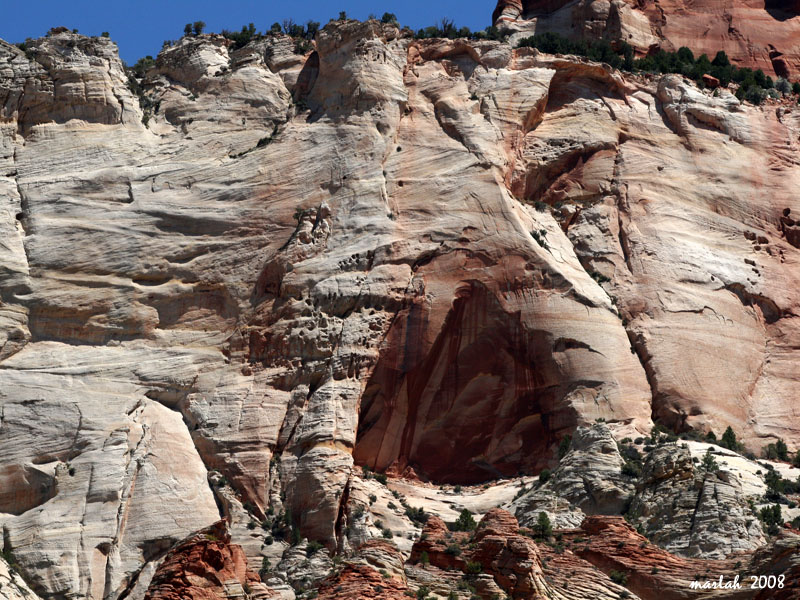
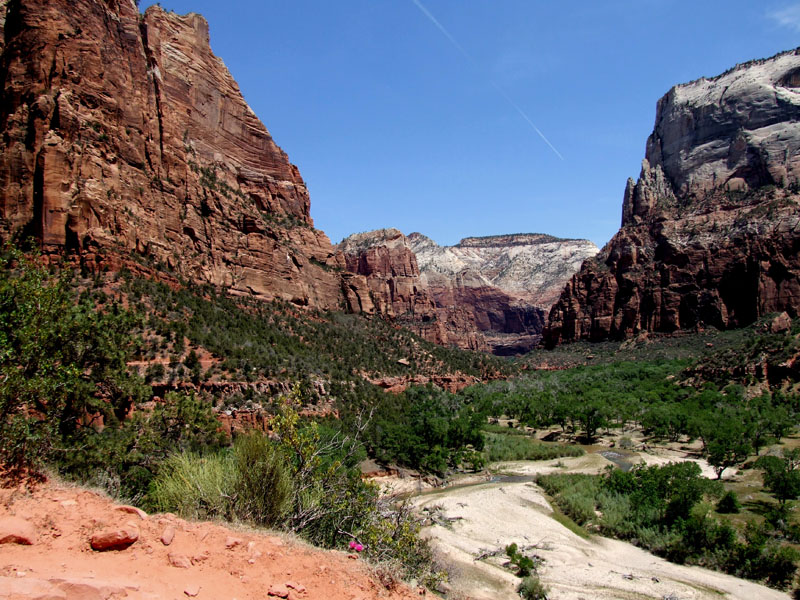
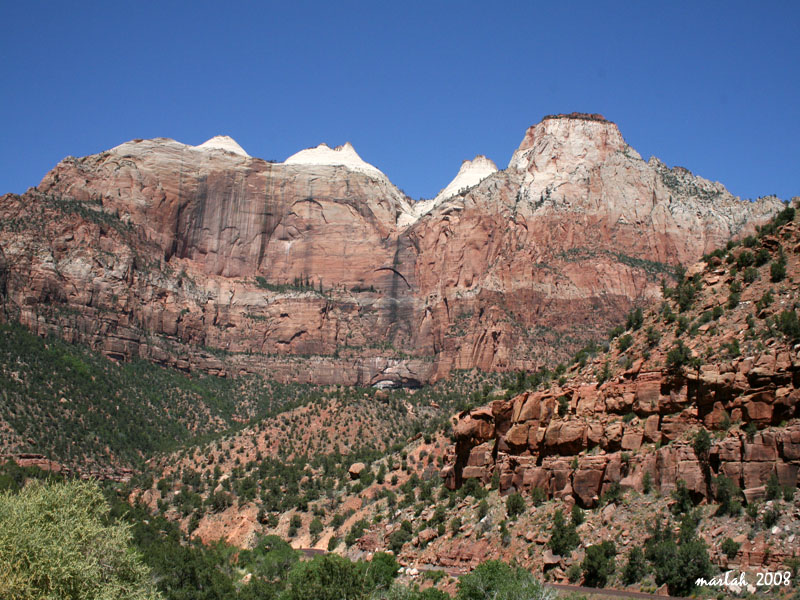
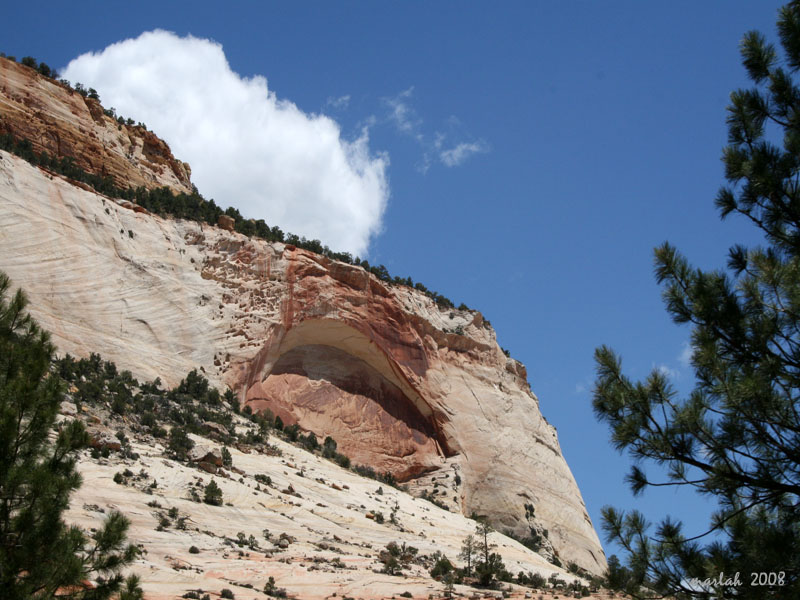
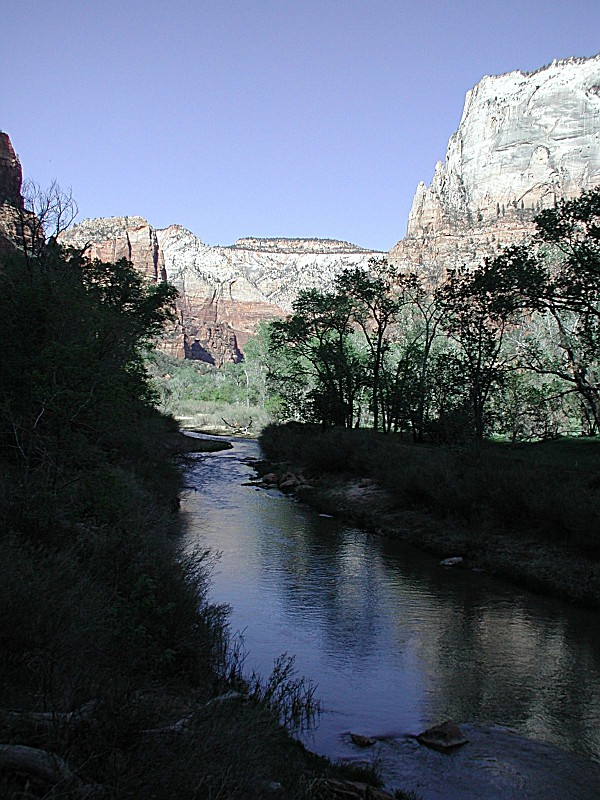
Located in Washington , Iron and Kane Counties in Southwestern Utah , Zion National Park encompasses some of the most scenic canyon country in the United States . The park is characterized by high plateaus, a maze of narrow, deep, sandstone canyons and striking rock towers and mesas. Zion Canyon is the largest and most visited canyon in the park. The North Fork of the Virgin River has carved a spectacular gorge here, with canyon walls in most places rising 2000-3000 feet above the canyon floor. The southern part of the park is a lower desert area, with colorful mesas bordered by rocky canyons and washes. The northern sections of the park are higher plateaus covered by forests.
Reviews By Park Visitors:
Be the 1st to Review Zion National Park. You can rate it, post a comment on it, or do both.
Visitor rating:no votes yet | Post Your Own Review
Camping:
South Campground - First-come, first-serve. You may self-register at the campground entrance. Individual campsites are $16 per site per night.

Watchman Campground - Watchman Campground accepts reservations. Reservations may be made five months in advance for April 2-October 31 by calling (800) 365-2267, or visit. Tent sites are $16 per site per night. Sites with electricity are available for $18 per site per night. Designated riverside sites are $20 per night. (Rates are subject to change.)

Available by reservation in Watchman Campground to organized groups of 9-40 people for $3.00 per person; (800) 365-2267, or visit. Facilities include restrooms, drinking water, picnic tables, fire grates, and RV dump stations. No showers or hookups are available.

Holders of Golden Age and Golden Access Passports receive a 50% discount on all camping fees.

Campgrounds can fill up during the summer months. Arrival before noon generally ensures a campsite except during holiday weekends. Facilities include restrooms, drinking water, picnic tables, fire grates, RV dump stations. No showers are available.
Trails:
DAY HIKING:

Zion National Park has more than 13 distinct day hiking trails for visitors to enjoy. To make traveling to and from trail heads easier, it is recommended that visitors use the park's shuttle service.

The first shuttle of the day departs the Zion Canyon Visitor Center at 5:45 a.m. The last shuttles of the day leaves the Temple of Sinawava at 11:00 p.m. and the Zion Lodge at 11:15 p.m.

When hiking, stay on established trails and watch your footing, especially at overlooks and near drop-offs. Always stay back from edges. Watch children closely. People uncertain about heights should turn around if they come to drop-offs that bother them. Loose sand or pebbles on stone are very slippery. Be careful of edges when using cameras or binoculars. Never throw or roll rocks; there may be hikers below.

BICYCLING:

In the past most cyclists found the automobile congestion along Zion Canyon Scenic Drive to be too hazardous for riding. Thanks to the Zion Canyon Shuttle System the park is now more bicycle friendly. One may ride the Pa? rus trail from the lower canyon and connect to Zion Canyon Scenic Drive at Canyon Junction. The shuttle buses are equipped with bike racks for those wishing to ride only part of the way. Many cyclists enjoy riding the shuttle to the Temple of Sinawava and cycling back down. Bicycles are permitted only on established roads and the Pa?rus Trail. Cyclists must obey traffic laws. Bicycles are not allowed on hiking trails or off-trail. Ride defensively; automobile traffic is often heavy and drivers may be distracted by the scenery. Riding through the Zion-Mt. Carmel tunnel is prohibited. Bicycles must be transported through the tunnel by motor vehicle.

HORSEBACK RIDING:

Horses have traditionally been used to explore Zion?s rugged terrain. Early modes of transportation consisted solely of horses and mules. Stock animals currently allowed in the backcountry are horses, mules, and burros. Llamas, dogs, camels, and other pack animals are not allowed. Permits are not required for day trips. Stock may be used in these areas:

La Verkin Creek, Hop Valley Wildcat Canyon, West Rim (above Cabin Springs), East Rim (above rim, includes Cable Mountain and Deertrap trails), Sandbench (November through February only), Coalpits Wash, Huber Wash, Scoggins Wash, Crater Hill.

Maximum group size is six animals. Overnight Trips Maximum stay in any single location is one night. Permits are required for all over night trips. Stock must be hobbled or tethered to reduce damage to vegetation. To reduce the spread of noxious and exotic weeds, all stock must be fed only certified weed-free hay one day prior to entering the backcountry and when using park trails.

On The Trail In areas where trails are present, stock must remain on trails. Free-trailing or loose herding is not allowed. Animals must be kept at a slow walk when passing hikers. When standing, stock must be kept at least 100 feet from drainages.
Boating:
Most years the Virgin River is too shallow for boating. It is navigable after a wet winter but only during peak run off; a period lasting approximately two weeks usually sometime in May. A permit is required for boating trips through the Narrows. Permits are free and can be obtained at the backcountry desk at the Zion Canyon Visitor Center.
Swimming:
Swimming and wading are allowed in the Virgin River. Be aware of swift currents, cold water, flash floods, slippery rocks, and submerged logs and boulders. Wear shoes to protect your feet. Swimming and wading are not permitted in the Emerald Pools. Tubing is not permitted in the Virgin River inside the park boundaries.
History of the Area:
The Historic period begins in the late 1700s, with the exploration and settlement of southern Utah by Euro-Americans. Initial explorations by traders from New Mexico blazed the Old Spanish Trail, which followed the Virgin River for a portion of its length. During the next century, American fur trappers and government surveyors added new overland travel routes across the region. In 1872, John Wesley Powell explored the areas around Zion Canyon, as part of western surveys conducted by the U.S. Geological Survey. The early pack trails soon became well-used wagon roads, connecting Santa Fe to the California markets.

In 1847, Brigham Young led members of the Church of Jesus Christ of Latter Day Saints (Mormons) to Utah Territory, establishing settlements in the Great Salt Lake Valley. Within a decade, Mormon pioneers were sent to settle the southern part of the territory and grow cotton in Utah?s ?Dixie?. Towns like Shunesberg, Springdale, Grafton, Adventure, and Paradise sprang up along the upper Virgin River during the 1860s. In 1863, Issac Behunin built the first log cabin in Zion Canyon, near the location of the Zion Lodge. Soon the canyon was dotted with other homesteads, including that of William Crawford, near Oak Creek.

During the remainder of the century, the small communities and homesteads struggled to survive. Catastrophic flooding by the river, little arable land, and poor soils made agriculture in the upper Virgin River a risky venture. Some of these settlements, including Shunesberg and Grafton, were ultimately abandoned for more favorable locations.

By the first decade of the 20th century, the scenic qualities of southern Utah, and Zion Canyon in particular, had been recognized as a potential destination for tourism. In 1909, a presidential Executive Order designated Mukuntuweap (Zion) National Monument, in Zion Canyon. The new monument was, however, virtually inaccessible to visitors, since the existing roads were in poor condition and the closest railhead a hundred miles away. The Utah State Road Commission, established in that year, began construction on a state highway system that would eventually improve access to the southern region. State officials also negotiated with the Union Pacific Railroad to develop rail and automobile links and tourism facilities in southern Utah. By the summer of 1917, touring cars could finally reach Wylie Camp, a tent camping resort that comprised the first visitor lodging in Zion Canyon.

In 1919, a Congressional bill designating Zion National Park was signed into law. Visitation to the new national park increased steadily during the 1920s, particularly after the Union Pacific extended a spur rail line to Cedar City. The Utah Parks Company, a subsidiary of the Union Pacific, acquired the Wylie Camp in Zion, and offered ten day rail/bus tours to Zion, Bryce, Kaibab, and the North Rim of the Grand Canyon. Construction on the Zion Lodge complex, designed in ?Rustic Style? by architect Gilbert Stanley Underwood, began in the mid-1920s. In 1930, the newly completed Zion-Mt Carmel highway allowed motorists to travel through Zion to Bryce and points east. This highway was one of the greatest engineering feats of modern times, requiring the construction of a 5,613-foot tunnel to negotiate the vertical sandstone cliffs of Zion.

Visitor numbers at Zion National Park have continued to increase over time, necessitating the construction of trails, campgrounds, and other facilities. The economic benefits of tourism now support the small communities surrounding the park, ensuring their survival into a new millennium of human history.
Lodge:
Zion Lodge:

Three miles north on Zion Canyon Scenic Drive. Open year-round. Motel rooms, cabins, and suites available. Zion Lodge also has a gift shop and post office. Reservations recommended: 1-888-297-2757.

Advertise your park related business
   on stateparks.com
...vacation cabin, weekend getaway, log cabin rental, romantic cottage, vacation home, resort, hotel, motel, bed and breakfast, country inn, campground, RV park, horseback riding stable, canoe livery, river rafting, outfitting, sporting goods store, guide service, RV rental, etc
     read more....
Related Links:
Zion National Park (National Park Service) - Zion National Park Located in Springdale, UT TRAVEL BASICS - CAMPING - LODGING ACTIVITIES - FACILITIES - FEES/PERMITS (NPS Photo) IN BRIEF Zion is an ancient Hebrew word meaning a place of refuge ...
ZionCanyon.com - Zion National Park. zion national park, zion canyon,national parks, zions - zion national park, zion canyon, national parks, zions, utah parks, utah, southern utah, st. george, state parks, mountains, campgrounds, fishing, hiking, camping
Zion National Park: Information, trail guide, photo tips, and more. - Information about Zion National Park, Utah: hiking, trails, sights, photo tips, and more. ... one-stop source of information about Zion National Park. Zion National Park is one of the most ...
Zion National Park - Zion National Park ... Welcome to the Zion National Park Page This site is dedicated to providing information on Zion National Park It is our intent to provide information that will be ...
Zion National Park, ZionNationalPark.com, Welcome to Zion National Park & Springdale, - zion national park, zion canyon, national parks, zions, utah parks, utah, southern utah, springdale, state parks, mountains ... door-step community to Zion National Park and other amazing ...
Zion National Park Bed and Breakfast: Amber Inn B B - ... elegance and comfort: spacious rooms, large and comfortable beds, full gourmet breakfast, rare collection of European fine art. Only 10 minutes to Zion National Park, Utah. Relax and enjoy!
Please Enter - zion park,zion lodging, zion dining, zion, zion events, zion national park, zion canyon, national parks, zions, utah parks, utah, southern utah, springdale, state parks, mountains, fishing, hiking
Zion National Park. Zion Ponderosa Ranch Resort, located on the East Rim of Zion National - Zion Ponderosa Resort is a beautiful all inclusive resort that overlooks the East Rim of Zion National Park... located in heart Southern Utah.
Utah - Zion National Park - Zion National Park, Utah; description and photographs ... ghost town' south of the park Park Map - map of Zion National Park Left Fork of North Creek Weather: The most visited section of ...
ZION NATIONAL PARK PROFILE - What is special about Zion National Park? Elevation and Climate How did the rocks of Zion form? What kind of plants are found in Zion? What animals live in the park? What people have lived at ...
My Trip To Zion National Park - There has been people here since 05.26.00 ________________________________________________ Web Promotion
Nature Programs:
Hey Kids! Become a Zion Junior Ranger and have fun while learning about Zion National Park and the natural world. Becoming a Junior Ranger is a great way to explore your national parks while learning how you can help take care of them for the future.
Directions:
Plane - The closest major airport is Las Vegas International, 150 miles from the park. There is a smaller airport in St. George, UT, 46 miles (74.1 km) from the park.

Car - The Visitor Center at the Kolob Canyons entrance is accessible from I-15, exit 40. I-15 passes west of the Park and connects with UT-9 and 17 to the Park. US-89 passes east and connects with UT-9 to the Park. The Zion Canyon Visitor Center is a short distance from the Park's South Entrance adjacent to Springdale.

Public Transportation - Public transportation to the park is not available.
USA Utah Zion National Park
Advertise on StateParks.com
    American Dreams Inc. - Logan, Ohio    www.stateparks.com