Jean Nicolet was the first known explorer believed to have visited our area during his visit with the Ho-Chunk Indians near Green Bay in 1634. Later, between 1665 and 1670, Nicholas Perrot spent time in this region, much of it with the Potowatomis who lived here at the time. Father Jacques Marquette and several other missionaries were known to explore the western shores of Lake Michigan by canoe from 1673-1699.
In 1795, when the Ottawa and Chippewa Indians inhabited our area, a Frenchman by the name of Jacques Vieau visited the Sheboygan area to erect a Northwest fur company post. This fur company and later the American Fur company dominated trade in the area until 1868. Trade goods and furs were transported by canoe along the lakeshore to Green Bay and Milwaukee. The Indians traded hides of bear, deer, moose and pelts of muskrat, beaver, lynx, otter and marten. In return they received blankets, clothes, knives, axes and other goods.
The first true European-American settler in the park area was David Wilson. Mr. Wilson was born in New York and arrived here with his family from Ohio in 1840. Next to follow in 1845 were two brothers, James and Leonard Osgood. These and other "Yankee" families from the east coast were drawn to this region to set up fisheries. Fishermen in small skiffs out on the lake netted fish using hooped pound nets and lifted them by hand. Lake trout, white fish, lake herring and chubs were taken by this method.
Fishing in the 19th century was backbreaking and often dangerous work. Both David Wilson and the Osgood brothers drowned in Lake Michigan while engaged in their fishing operations. In the 1850s, '60s and '70s, a large influx of German and Dutch immigrants came into this area. Most were farmers by trade and moved inland to better farm lands. Along the lakeshore, however, fishing was still the predominant occupation, along with a few coopers and boat builders.
Before World War I, lakeshore property was offered for one dollar per foot with no buyers. The land was sandy and could not sustain crops or livestock grazing. With the advent of the automobile and the growing popularity of the motor touring and recreation, land prices rose quickly as wealthy people from urban areas like Milwaukee sought country escapes from city life.
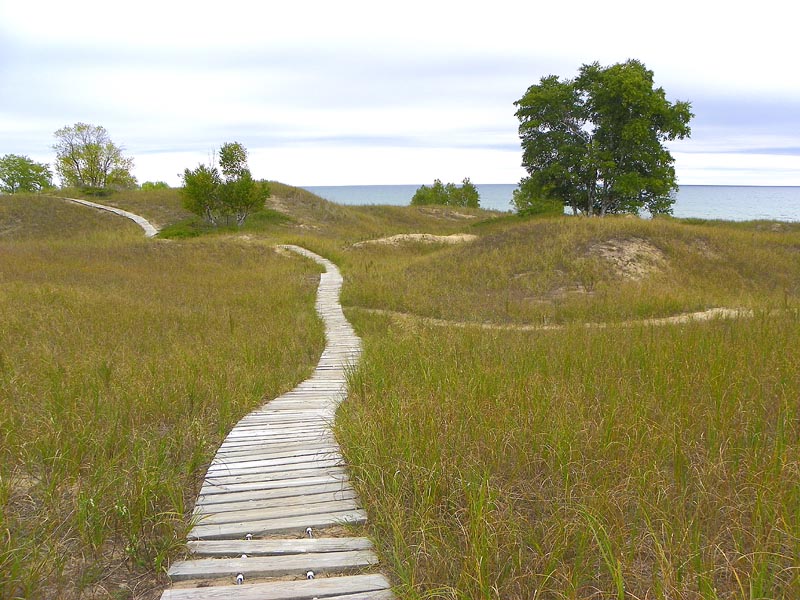
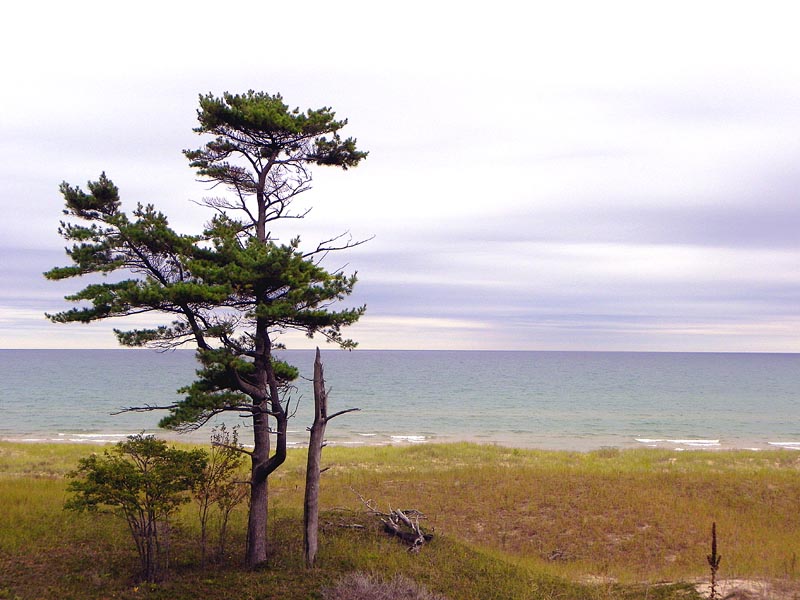
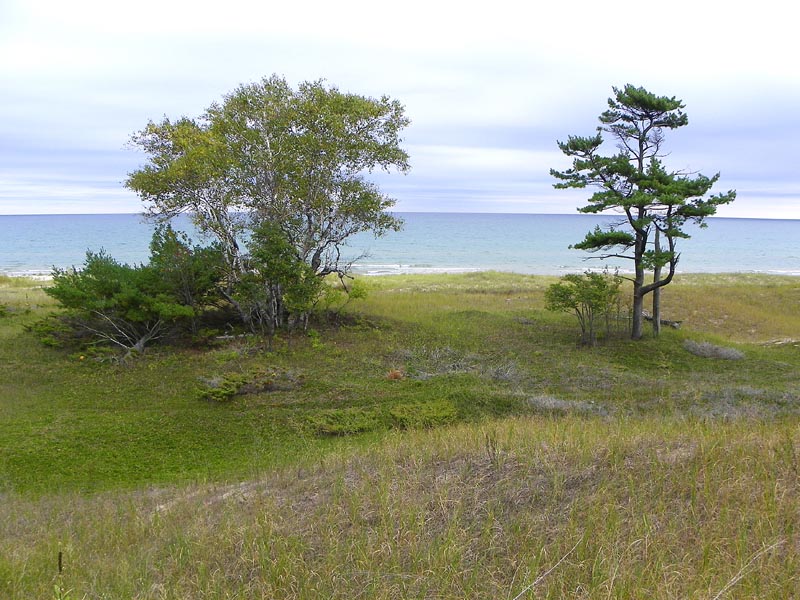
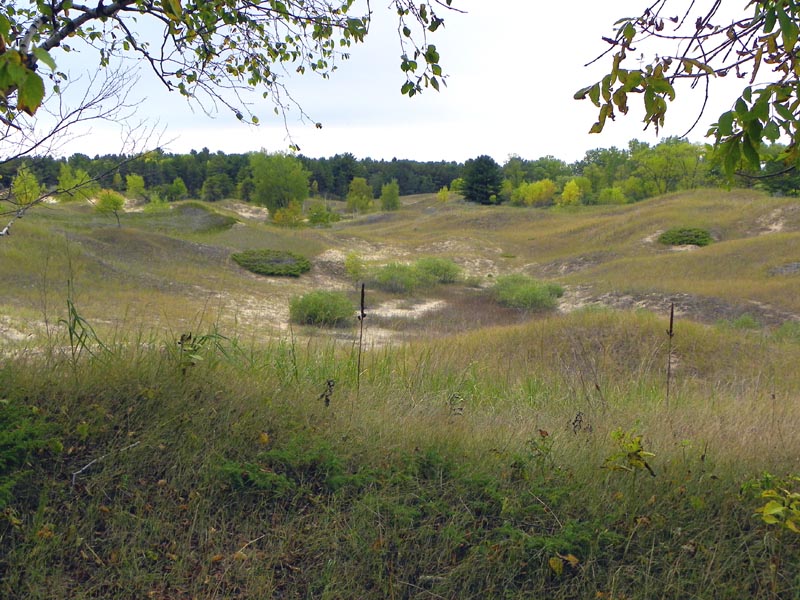
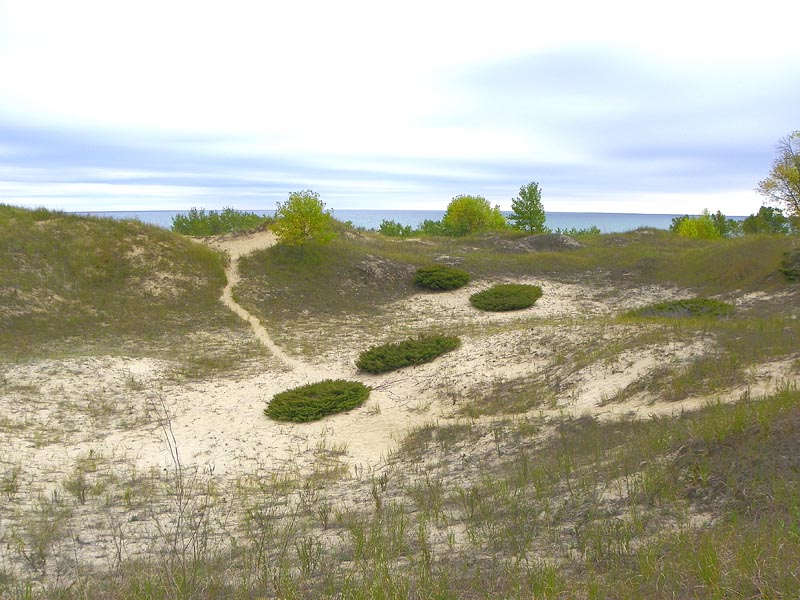
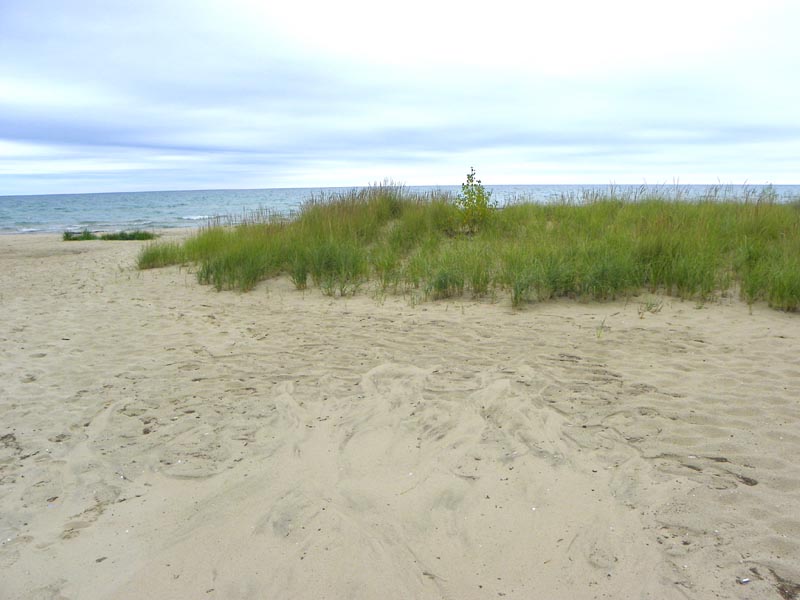
n 1924 Frank Theodore (Terry) Andrae purchased 92 acres of lakeshore property from a retired fisherman and later purchased another 30 acres. Mr. Andrae was president of Julius Andrae and Sons' Electric Supply Company in Milwaukee. He and his wife Elsbeth built a two-story house overlooking the lake in the area where the present-day campground is. This second home was known as "Henriette Lodge" and the Andraes often entertained guests there. Mrs. Andrae had a strong interest in botany and horticulture and at considerable expense, hired several forestry consultants and began to reforest their property. After her husband's death in 1927, Mrs. Andrae donated all 122 acres of her "pine dunes" lakeshore property to the State of Wisconsin to be known from then on as Terry Andrae State Park.
In the years following both the John M. Kohler and Terry Andrae donations, the State of Wisconsin purchased an additional 600 acres of property, bringing the total acreage of both parks combined to about 1,000 acres. Although still considered two properties with adjacent boundaries, the parks are managed as one unit by the Department of Natural Resources.
Considerable development has been undertaken in the park, such as campgrounds, picnic areas, a bath house, nature center, trails and roads. Improving facilities and programs is an ongoing effort. A master plan was developed to assure that future property management and development plans will be consistent with the needs of park visitors while protecting the park's natural resources.
- T Walker



 Took a step towards maturity at this park 36 years ago!
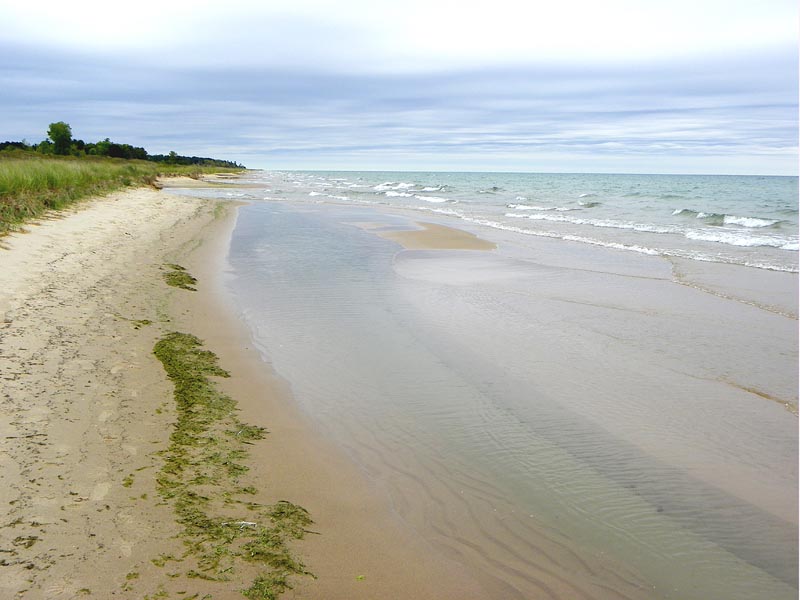
 Terrific camping and a separate beach area where you can take your LEASHED dog since animals not allowed on primary beach area.


 Share Your Terry Andrae State Park Photos (click here)